Is Snow Really White? The Science Behind Its Surprising Color

Snow may look perfectly white during winter, but its true appearance is more interesting than most people realize. Individual snowflakes and ice crystals are actually nearly transparent, just like tiny pieces of clear glass. They contain no white pigment. Instead, the familiar white appearance comes from the way sunlight interacts with millions of tiny ice crystals packed together.

When sunlight enters a layer of snow, it bounces and scatters between the many surfaces of the ice crystals. Because the crystals scatter all visible colors of light in roughly equal amounts, those colors combine in a way that makes snow appear white to our eyes. The same process explains why fresh snow can look exceptionally bright on a sunny winter day.

However, snow does not always appear completely white. In deeper snow, light travels farther through the ice, and longer wavelengths, particularly red light, can be absorbed more strongly. This can make deep snow, ice cavities, and certain frozen surfaces appear blue. The effect is especially noticeable in glaciers and thick layers of compacted ice.

Other environmental conditions can also change how snow looks. Under cloudy skies or in the shade, it may appear gray or slightly blue. In some environments, algae and other microscopic organisms can give snow a pink, red, or greenish appearance. These unusual colors demonstrate how light, ice structure, and the surrounding environment influence what we see. So, while snow looks white to us, its individual crystals are actually transparent!


Related Posts

The Important Car Button Every Driver Should Know How to Use

Many drivers are familiar with their vehicle’s basic controls but may overlook one small button that can be especially useful in an emergency: the hazard warning light…

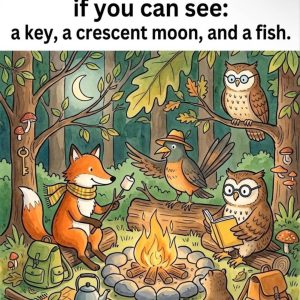
Can You Spot All Three Hidden Objects in This Woodland Puzzle?

At first glance, this colorful woodland illustration looks like a peaceful camping scene. Several animals, including a fox, two owls, a little bird, and a squirrel, gather…

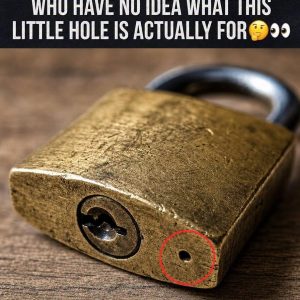
The Tiny Holes on Padlocks Have an Important Purpose Most People Overlook

Have you ever noticed the tiny holes at the bottom of a padlock? They may look like minor manufacturing details, but they often serve an important purpose….

The Secret Floor Buttons Once Used to Call Servants in Wealthy Homes

In many older wealthy homes, a small, hidden button in the floor served a surprisingly important purpose. Known as a servant call button or floor call switch,…

The Simple Bar of Soap Trick Some Homeowners Use to Keep Ants Away

Ants entering your home can quickly become annoying, especially when they appear around kitchen counters, windowsills, and doorways. One household trick that has gained popularity involves rubbing…

Ever Wondered What the Tiny Hole on Nail Clippers Is Actually For?

Nail clippers are everyday grooming tools that most people use without giving much thought to their design. However, there is one small detail that often goes unnoticed:…

Leave a Reply

Your email address will not be published. Required fields are marked *