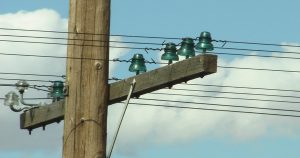
Long before modern communication systems became common, small curved objects played an important role in connecting communities. Known as electrical insulators, these unusual pieces were attached to utility poles to support overhead wires while preventing electricity from passing into the poles and other supporting structures.
Many of these insulators were made from glass or porcelain because these materials provide good electrical insulation. Their distinctive shapes were carefully designed to hold wires securely while protecting them from moisture, weather conditions, and electrical leakage. Their size and design depended on the type of wire and the amount of electrical insulation required.
Smaller insulators were commonly used on early telephone and telegraph lines, helping communication signals travel across long distances. Larger and stronger versions were designed for electrical power lines, where they had to withstand much higher voltages and demanding outdoor conditions.
As technology developed, telephone and electrical networks gradually changed. Many older overhead lines were replaced, upgraded, or moved underground, leaving countless glass and porcelain insulators unused. While some were discarded, others were preserved by collectors and people interested in industrial history.
Today, these forgotten objects have become fascinating collectibles. Their unusual designs, beautiful glass colors, embossed markings, and historical connections make them especially interesting to antique enthusiasts. Some rare examples can attract considerable interest and value depending on their age, condition, manufacturer, and scarcity. What was once an ordinary piece of utility equipment has become a small but meaningful reminder of how people communicated and shared electricity in the past.