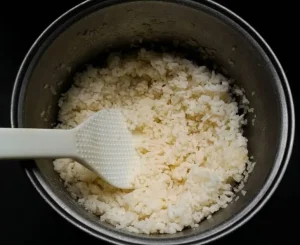
Cooked rice may look and smell perfectly normal even when it is no longer safe to eat. Improper storage can allow harmful bacteria to multiply, potentially causing food poisoning. One of the main concerns is Bacillus cereus, a bacterium whose spores can survive the cooking process and produce toxins if rice is left at unsafe temperatures. This is why cooked rice should never be left sitting at room temperature for several hours, even if it appears fresh.
After cooking, rice should be cooled quickly and refrigerated within one hour when possible, following food safety guidance for leftovers. Store it in a shallow, airtight container to help it cool evenly. As a general rule, properly refrigerated cooked rice should be eaten within three to four days. If you do not plan to eat it within that period, freezing it in smaller portions is a better option. Uncooked rice, on the other hand, can last much longer when stored in a cool, dry place inside a tightly sealed container. Its shelf life depends on the variety and storage conditions.
Before eating leftover rice, check for unusual odors, sliminess, or visible mold, but remember that dangerous bacteria and toxins may be present without changing its appearance or smell. Reheating does not necessarily make improperly stored rice safe, because some toxins produced by Bacillus cereus can survive heat. When reheating properly stored leftovers, make sure the rice is steaming hot throughout, ideally reaching 165°F (74°C). Following these simple storage and reheating precautions can significantly reduce the risk of food poisoning and help keep your meals safe.