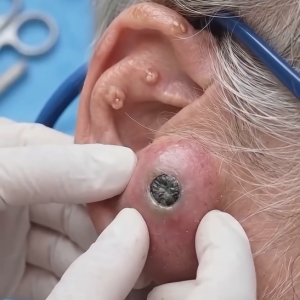
Acne is common, but not all breakouts are the same. While ordinary pimples often disappear within days, severe acne can cause deep, swollen, and painful lumps beneath the skin. These lesions, often associated with nodular or cystic acne, can last for weeks and may leave permanent scars if not treated properly. Even touching the affected areas can become uncomfortable.
Severe acne develops when hair follicles become clogged with excess oil and dead skin cells, triggering inflammation. Several factors can contribute to the condition, including hormonal changes, genetics, and certain medications. Stress may also make existing breakouts worse. Contrary to popular belief, severe acne is not necessarily caused by poor hygiene, and washing your face more frequently will not make it disappear.
One important mistake to avoid is squeezing or popping deep acne lesions. This can increase inflammation, damage surrounding skin, and raise the risk of scarring. Harsh scrubs, aggressive cleansing, and unproven home remedies may also make irritation worse. Gentle skin care and appropriate treatment are much better approaches.
Treatment depends on the type and severity of acne. Dermatologists may recommend prescription creams, oral medications, or other specialized therapies. For particularly severe cases, isotretinoin may be an option under careful medical supervision. If acne is deep, painful, persistent, or leaving scars, seek professional advice early. Treating severe acne promptly can help protect your skin and reduce the risk of lasting damage.