Traveling around the world often means discovering things that seem unusual at first, including bathroom designs. One example is the traditional European “shelf toilet,” which features a flat platform inside the bowl instead of the deep water basin found in most modern toilets. For visitors encountering one for the first time, the design can be surprising, but it actually has a practical history.
The shelf was designed to allow waste to remain visible before flushing. This made it easier for people to notice changes in color, consistency, or appearance that could sometimes indicate health problems. In earlier times, when medical testing was less accessible, people and doctors relied more heavily on visible symptoms to identify possible illnesses. Although these observations could provide useful clues, they were never a substitute for proper medical examinations.
The design also had another practical advantage: it helped reduce splashing because waste did not immediately fall into deep water. However, the flat surface could also create unpleasant odors if the toilet was not flushed promptly. This was one reason why many people eventually preferred newer designs that carried waste away immediately.
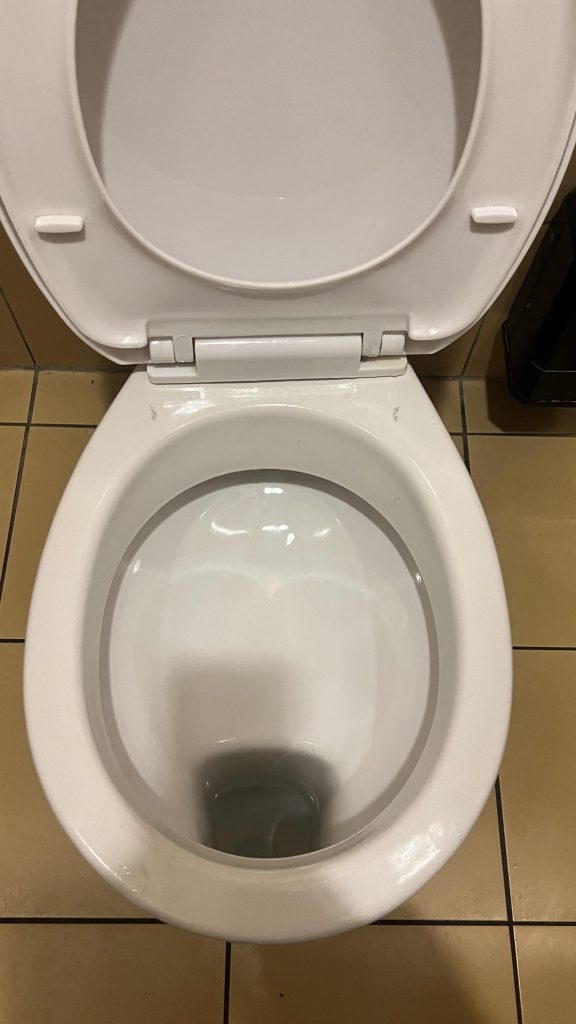
Today, modern toilets generally prioritize convenience, hygiene, efficient flushing, and odor control. As plumbing technology improved, the traditional shelf toilet gradually became less common, although it can still be found in some European homes and buildings. What may look like an outdated or strange invention to modern travelers is actually a reminder of how everyday designs have evolved alongside medicine, technology, and changing expectations about hygiene.