In a recent high-profile meeting, former U.S. President Donald Trump, Ohio Senator J.D. Vance, and Ukrainian President Volodymyr Zelenskyy engaged in an intense discussion regarding U.S. support for Ukraine. The private talks reportedly became heated as the parties debated America’s role in the ongoing conflict between Ukraine and Russia, reflecting broader tensions in global geopolitics.
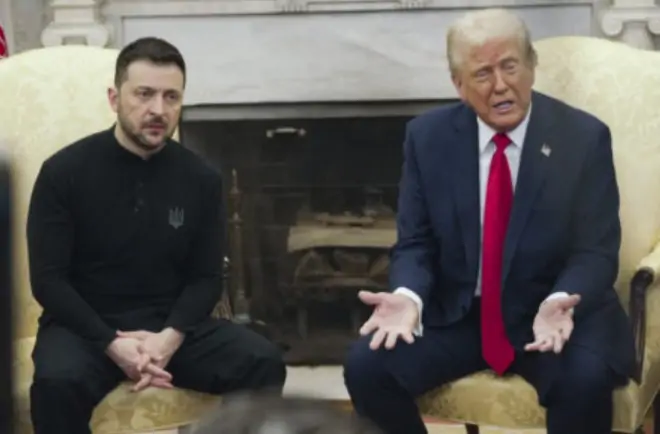
Zelenskyy, advocating for continued U.S. assistance, emphasized the crucial need for military and financial aid to counter Russian aggression. He outlined Ukraine’s ongoing struggles, highlighting the devastating impact of Russian attacks on infrastructure, civilians, and the economy. According to Zelenskyy, international support, particularly from the United States, has been a key factor in Ukraine’s resilience and ability to defend itself against Russian advances. He argued that without continued backing from allies like the U.S., Ukraine would face severe setbacks, potentially altering the balance of power in Eastern Europe and beyond. He also stressed that unwavering support was necessary to uphold democratic values and deter further aggression from authoritarian regimes.
Trump, adhering to his “America First” policy, questioned the necessity and scale of U.S. involvement. Sources close to the discussion indicate that Trump pressed Zelenskyy on the transparency and accountability of previously allocated funds. He reportedly raised concerns about the long-term consequences of extensive American financial and military commitments, arguing that an unchecked flow of aid could have unintended consequences. Trump emphasized that while he recognized the suffering of the Ukrainian people, the United States should focus on its own national interests first. He suggested that a more strategic and conditional approach to aid would be necessary, ensuring that American resources were used effectively rather than indefinitely committed without clear oversight.
Senator Vance, a strong critic of prolonged foreign aid, echoed Trump’s cautious stance. He argued that U.S. resources should be prioritized for domestic concerns, such as economic recovery, border security, and infrastructure development. Vance maintained that European nations, particularly those in NATO, should shoulder more responsibility in assisting Ukraine. He pointed out that many European countries had the financial capability to contribute more significantly but had instead relied heavily on the United States to take the lead. According to Vance, the current burden on American taxpayers was excessive, and a reassessment of aid distribution was necessary to ensure a fairer balance of contributions among Western allies.
As the discussion intensified, Zelenskyy made an impassioned appeal for unwavering U.S. support, warning that insufficient aid could embolden Russia and destabilize global security. He underscored the broader implications of a weakened Ukraine, suggesting that failure to act decisively could have significant repercussions beyond Eastern Europe. He warned that a diminished Ukrainian defense effort could embolden not only Russia but also other adversarial powers seeking to challenge the existing global order. Zelenskyy also reminded the U.S. officials that historical precedent had shown the dangers of appeasement and the potential costs of allowing aggressive expansionist policies to go unchecked.
However, Trump and Vance maintained their position, calling for a reassessment of U.S. foreign assistance and a more balanced approach to international obligations. Trump reportedly proposed an alternative strategy that would focus on diplomatic negotiations rather than continued military engagement. He expressed skepticism about the effectiveness of a prolonged military confrontation and suggested that the U.S. should take a lead role in pushing for peace talks. While acknowledging the complexities of negotiating with Russia, Trump argued that finding a diplomatic resolution could be more beneficial in the long run than continuous military escalation.
The meeting, though unofficial in capacity, shed light on the larger debate within U.S. politics regarding America’s role in global conflicts. The differing perspectives presented by the three leaders illustrate the challenges of balancing humanitarian concerns with strategic national interests. While some policymakers advocate for continued support to uphold democratic values and maintain global stability, others argue that the United States must prioritize its own economic and security concerns above international commitments.