At first glance, he looked like any other child — small, wide-eyed, and harmless. But behind that innocent face was a life already unraveling, shaped by instability, neglect, and a growing hunger for control that would one day shock the nation.
Few could have imagined that the boy born in Cincinnati, Ohio, in November 1934 would become one of the darkest figures in American criminal history.
His life began in turmoil. Raised by a teenage mother who struggled to survive and abandoned by a father who disappeared before his birth, the child never experienced stability. When he was still in preschool, his mother was sent to prison after a violent robbery, leaving him to be raised by relatives in rural West Virginia.
Although she eventually returned, the reunion was short-lived. Alcohol soon took over her life, and the boy was left to fend for himself as she vanished for days at a time. Discipline turned into displacement, and by elementary school he was already bouncing between caretakers, institutions, and reform schools.
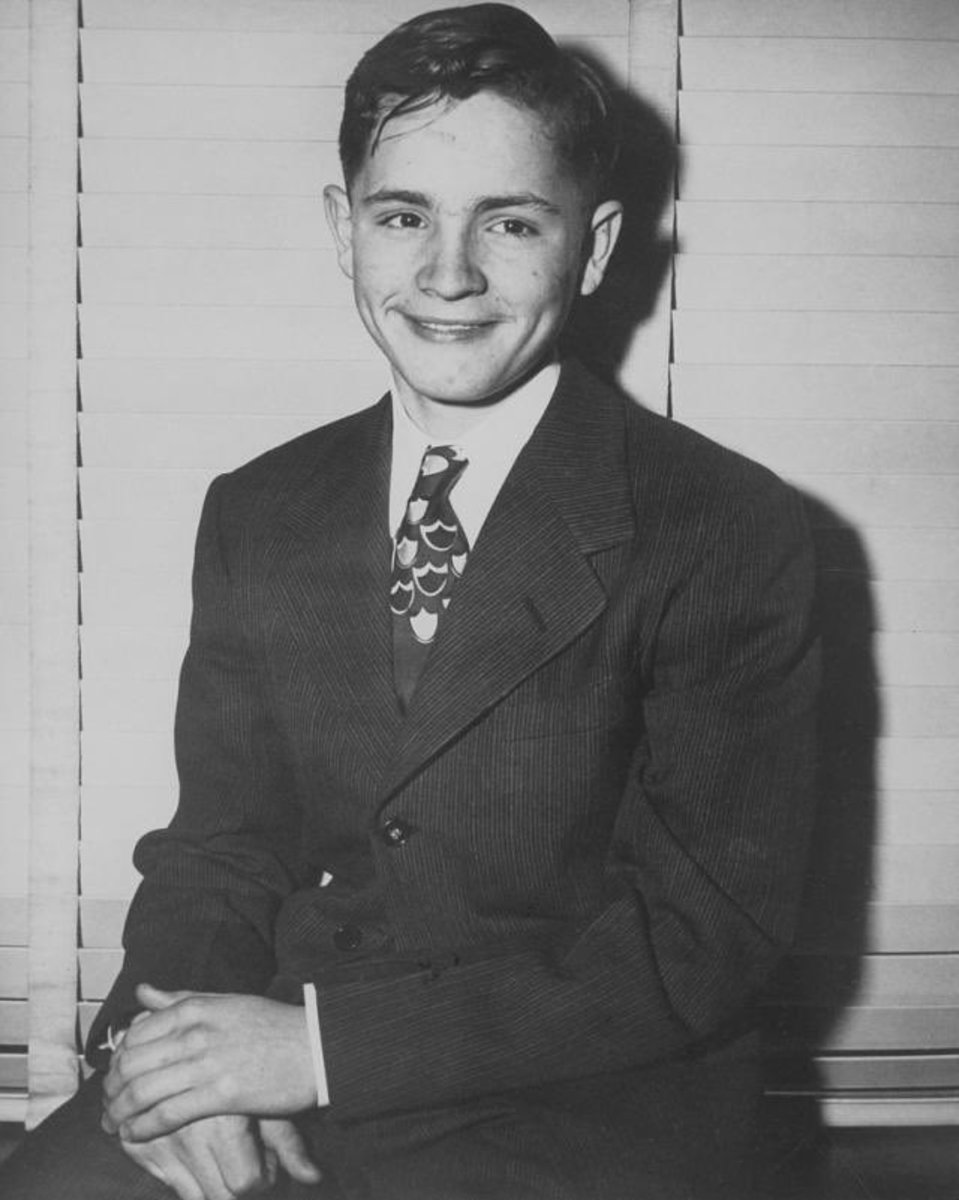
By his own later accounts, fire-setting, theft, and skipping school had become routine before he even reached double digits. Authority figures struggled to contain him — and when he was sent to a strict Catholic boys’ school in Indiana, the harsh punishments only fueled his defiance. He ran away repeatedly, sleeping outdoors and surviving through burglary and deception.
The pattern continued into adolescence. Arrests piled up. Detention centers came and went. In Nebraska, he escaped within days and committed armed robberies during his flight. Psychological evaluations described him as deeply antisocial, someone who rejected rules and manipulated people instinctively.
As he grew older, his crimes became more disturbing. While incarcerated in federal facilities, he engaged in violent and sexual offenses against fellow inmates, prompting transfers to higher-security prisons. Each release only brought another descent — stolen vehicles, fraudulent schemes, and attempts to exploit young women followed him wherever he went.
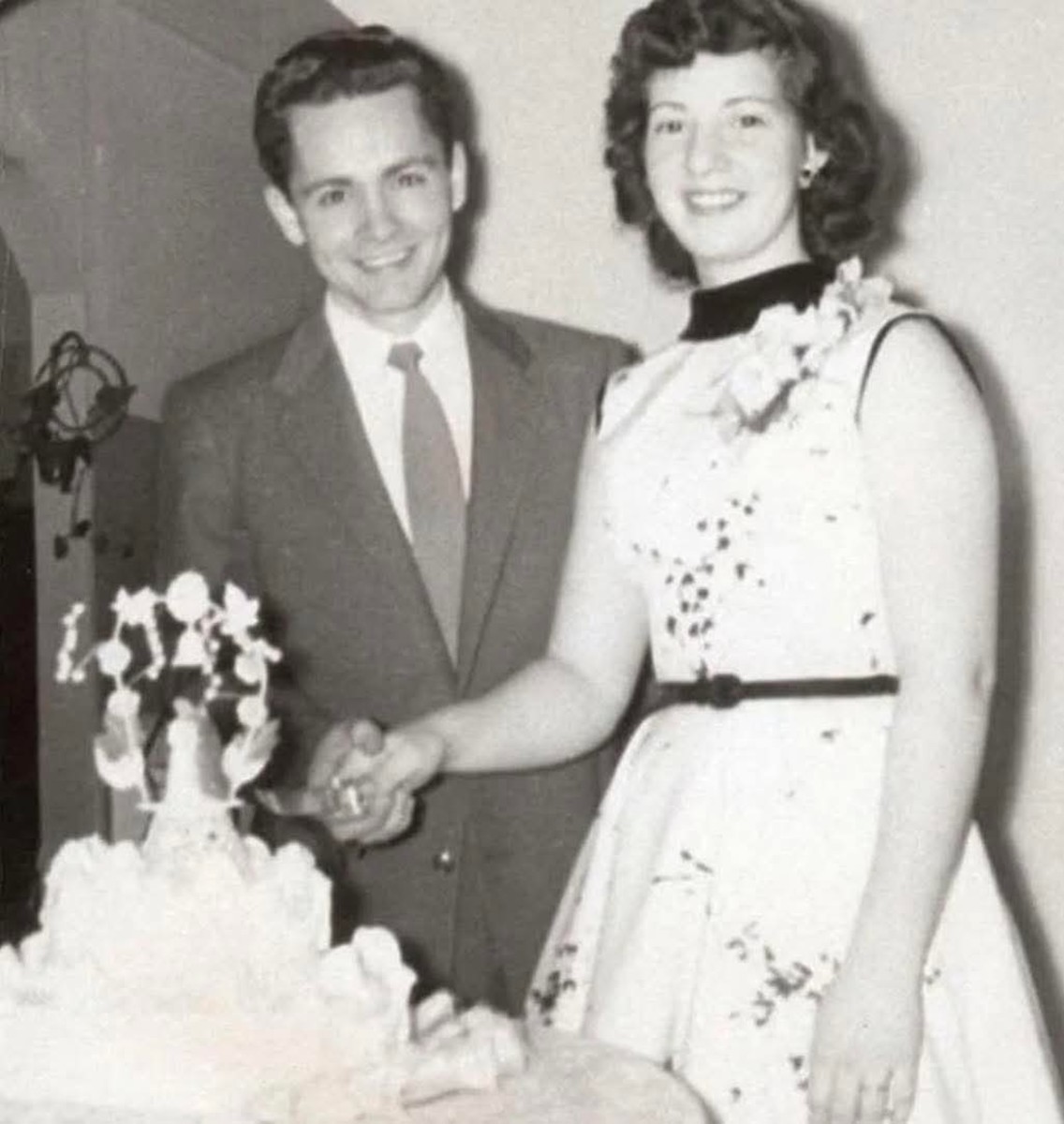
Yet even then, he possessed a chilling ability to charm. He spoke convincingly. He listened intently. And he learned how to control people.
During one prison sentence in Washington state, he became fascinated with hypnosis and psychological influence — skills he would later weaponize. After his release, he drifted through California’s counterculture scene, presenting himself as a misunderstood philosopher and spiritual guide.
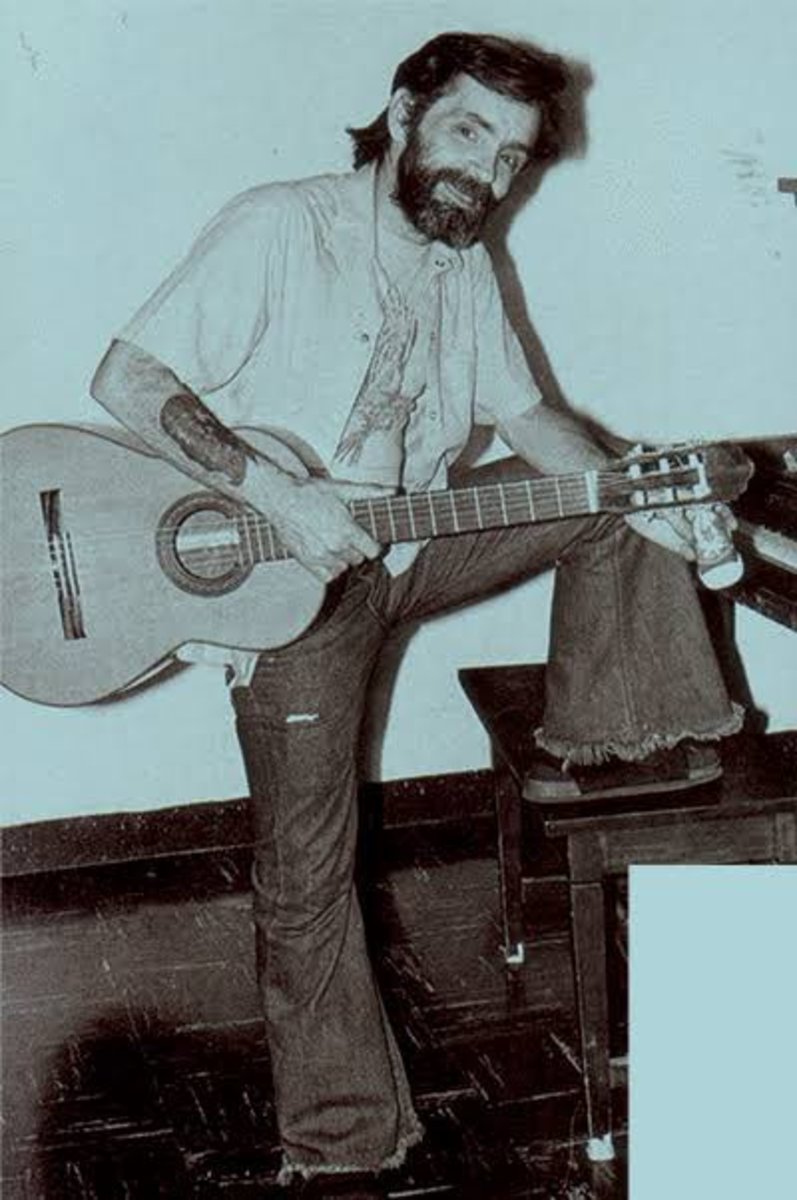
Music briefly became his obsession. He tried to break into the industry and even crossed paths with famous musicians. But rejection hardened into rage.
By the late 1960s, his grip on reality had collapsed entirely. He preached apocalyptic fantasies, convinced his followers that popular songs carried secret messages meant only for him. From those delusions emerged a terrifying vision of chaos — a so-called race war he believed would elevate him to power.
Then came the murders.
In August 1969, members of his group brutally killed actress Sharon Tate — who was eight months pregnant — along with several others in her Los Angeles home. The following night, another couple was slaughtered in a similar fashion.
Though he never wielded the knife himself, prosecutors argued he orchestrated everything through manipulation and indoctrination.
The man once known as a troubled child was now infamous nationwide.
Convicted of multiple murders, Charles Manson was initially sentenced to death before the penalty was overturned, leaving him behind bars for life. Despite repeated parole hearings, he never walked free again.
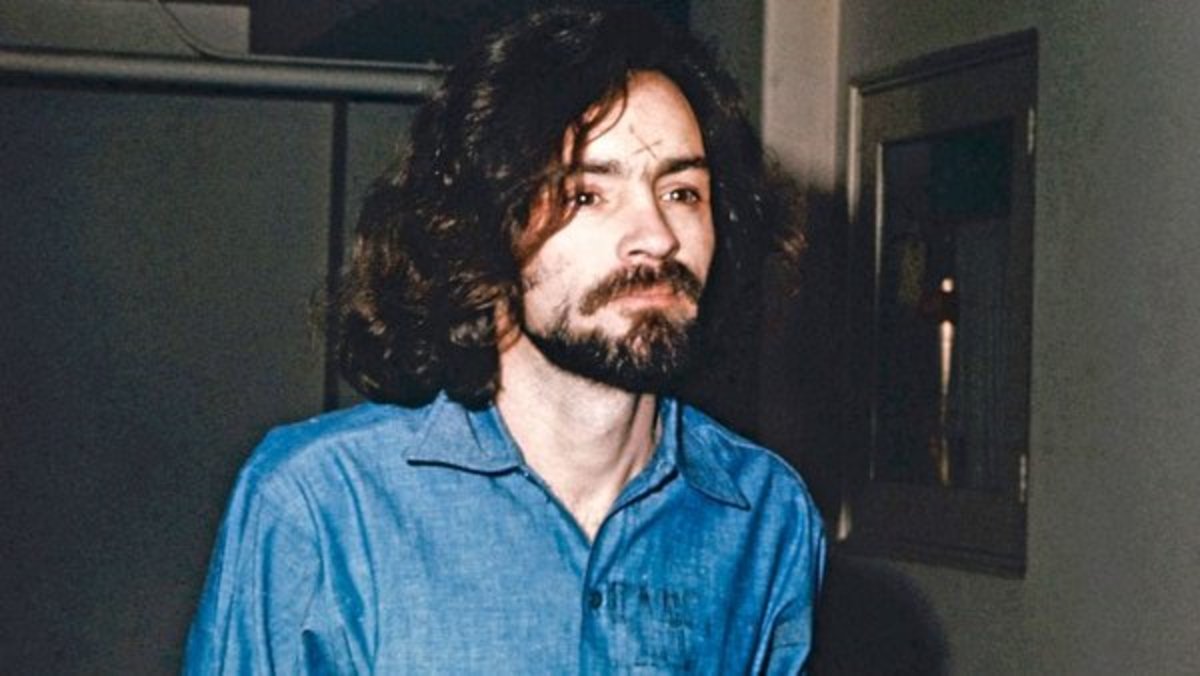
He died in prison in 2017 at the age of 83.
Today, his name remains a grim symbol — a reminder of how chaos, neglect, and unchecked manipulation can twist a damaged childhood into something unimaginably dangerous.
What began as a troubled boy’s story became one of America’s most chilling cautionary tales.