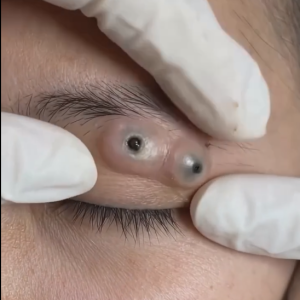
Acne is a common condition, but certain types require professional attention. When breakouts involve cysts, nodules, or deep, painful lesions—often classified as cystic acne—it is important to consult a dermatologist. These severe forms can lead to permanent scarring if ignored, making early evaluation essential for protecting long-term skin health.
Late-onset acne is one reason adults may suddenly develop breakouts. Known as late-onset acne, this form appears in people who never experienced acne as teenagers and is often linked to hormonal shifts, medications, or underlying health issues. In contrast, persistent acne begins during adolescence and continues into adulthood, with many individuals seeing little improvement over time.
Both late-onset and persistent acne affect more than just the skin. They can significantly impact self-esteem and overall quality of life, making social interactions and daily activities more stressful. Dermatologists play a key role in diagnosing these conditions by examining the skin and reviewing a patient’s history to identify triggers and determine the most effective treatment approach.
Treatment options may include prescription oral or topical medications to reduce inflammation and prevent new lesions, along with personalized recommendations tailored to each patient’s needs. The goal is not only to manage current symptoms but also to prevent long-term damage, such as scarring. Seeking professional help early offers the best chance for clearer skin and renewed confidence, showing that even stubborn acne can be successfully managed with the right care.