Lee Thomas was already building a career in television when he began noticing unusual light patches on his skin at age 25. What first appeared to be a small discoloration eventually spread to his scalp, hands, and face. After seeking medical advice, he learned that he had vitiligo, a condition that causes areas of skin to lose pigment and for which there is currently no cure.
At the time, Thomas worried that his changing appearance could affect his career in television. Rather than abandoning his ambitions, he continued working and used makeup to conceal the visible effects of vitiligo. His family, teachers, and mentors encouraged him to focus on his abilities and the opportunities he had worked hard to earn. Over time, he advanced professionally and became an entertainment anchor and reporter at WJBK Fox 2 in Detroit.
Eventually, the condition became increasingly noticeable on his hands, and Thomas decided he no longer wanted to hide them. He stopped covering his hands and began speaking openly about his experience. Although he continued using makeup on his face for practical television purposes, he emphasized that his work should be judged by the stories he tells and the quality of his reporting rather than by his appearance.
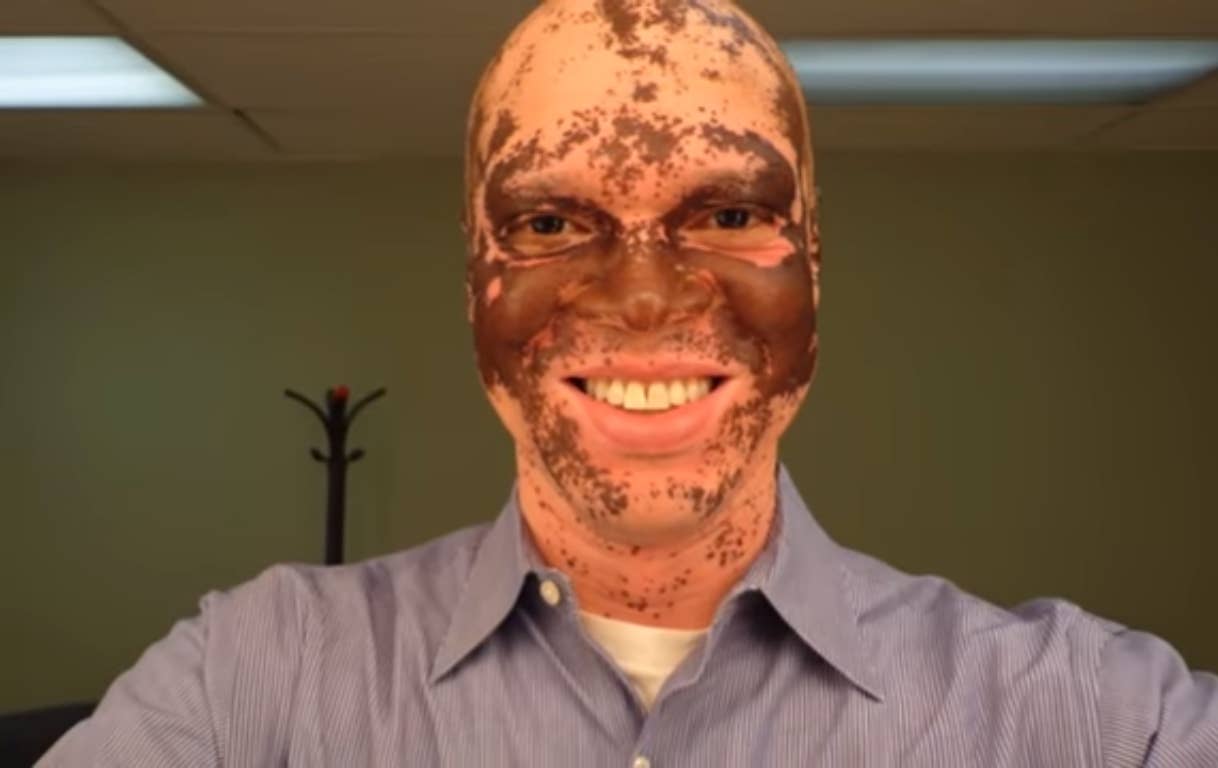
Thomas’s experience ultimately became an important part of his public life. He went on to advocate for greater awareness and acceptance of vitiligo, sharing his story through television, support groups, and his memoir, Turning White: A Memoir of Change. What began as a deeply personal challenge became a source of strength, allowing him to encourage others to embrace their differences and pursue their goals with confidence.