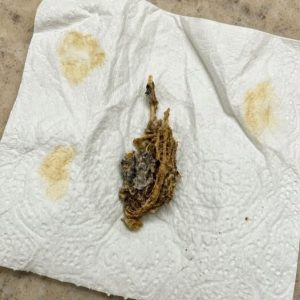
A clogged toilet can become stressful fast, especially when there is no plunger nearby. The first thing to do is stop flushing so the bowl does not overflow. If the water continues rising, turn off the shutoff valve behind the toilet or carefully lift the tank float to stop more water from entering.
For a mild blockage, add a few tablespoons of liquid dish soap to the bowl and let it sit for about 10–15 minutes. Then slowly pour in warm water—not boiling water—and wait to see whether the level begins to drop. The soap may help lubricate the blockage and make it easier to move. Another commonly suggested method is baking soda followed by vinegar, although this will not necessarily clear every clog, particularly if a solid object is stuck inside.
A toilet brush can sometimes help loosen a shallow blockage around the drain opening. Work gently rather than forcing the obstruction deeper into the pipe. If the clog is stubborn, a toilet auger is generally a better option because it is specifically designed for toilet drains. If you can see an object near the opening, carefully remove it with gloves rather than pushing it farther down.
Avoid using harsh chemical drain cleaners in a toilet. They can damage plumbing and may create dangerous splashes or fumes. Never mix bleach with ammonia, acids, or other cleaning products, and avoid repeatedly flushing a toilet that is already blocked.
If the toilet continues to clog or several drains in the home begin backing up, the problem could be farther down the plumbing or in the main sewer line. In that situation, professional assistance may be necessary. For a simple clog, remember the basic approach: stop flushing, control the water, try dish soap and warm water, and use a toilet brush or auger if needed.