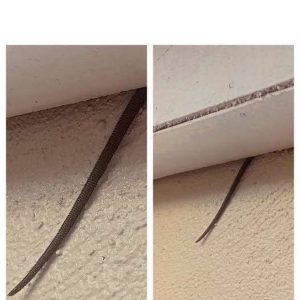
I was preparing breakfast when I noticed something unusual attached to one slice of bacon. A pale, firm-looking piece stood out from the meat, and my first reaction was to throw the entire package away. It looked strange enough to make me question whether the bacon had spoiled, but instead of wasting it, I decided to find out what I was actually seeing.
Unusual pieces like this can sometimes be natural parts of the meat. The area could be a concentrated pocket of fat, a small lymph node, or even tissue affected by bruising or scarring. These can look unpleasant or unfamiliar, but their presence does not automatically mean the meat is unsafe. What matters is the overall condition of the bacon, including its smell, texture, and appearance.
Bacon is far from the only food that can look alarming while still being normal. The white strands attached to an egg yolk are chalazae, which help hold the yolk in place. Small white crystals on aged cheese can develop naturally during aging, while garlic may produce a green sprout that can taste bitter but is not necessarily a sign of spoilage. These examples show why an unusual appearance alone should not always trigger panic.
However, there are clear warning signs that food should be discarded. Bacon and other meats should be thrown away if they develop a strong unpleasant odor, become unusually slimy or sticky, or show signs of mold or abnormal discoloration. When several signs of spoilage appear together, it is safer not to take chances.
In the end, the strange piece on my bacon turned out to be a natural variation rather than an immediate reason to panic. The experience reminded me that food can sometimes look unusual without being spoiled. Still, when there is any genuine doubt about freshness or safe handling, the safest choice is to discard the food rather than risk getting sick.