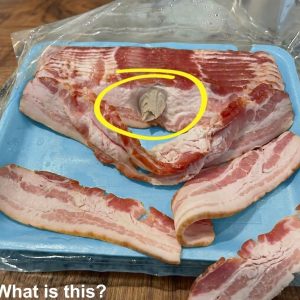
If you are walking through the woods and notice something on the ground that looks remarkably like an Oreo cookie or an old coin, you might want to take a closer look before touching it. In parts of the southeastern United States, the strange object could be associated with a ravine trapdoor spider, an unusual arachnid that spends much of its life hidden beneath the soil.
The spider’s exposed abdomen can have a flattened, rounded appearance that makes it look surprisingly unlike a typical spider. But the unusual shape is only a small part of the animal. Beneath the surface is a stout-bodied spider with powerful legs and strong fangs adapted for capturing prey.
Ravine trapdoor spiders are rarely seen because they spend most of their lives inside carefully constructed underground burrows. These tunnels protect them from predators and weather while providing an ideal location from which to hunt. Unlike spiders that depend on large webs, trapdoor spiders rely on stealth, patience, and a powerful ambush.
The spider waits near the entrance of its concealed burrow, which may be covered with soil, leaves, and other natural debris. It can detect vibrations from insects and other small creatures moving nearby. When prey comes close enough, the spider quickly emerges, grabs it, and pulls it underground before retreating into its hidden shelter.
Their remarkable appearance and hunting strategy have made ravine trapdoor spiders a fascinating subject for nature enthusiasts. Although they generally avoid people, encountering one can be startling if you mistake part of the spider or its burrow for a discarded object. So, the next time something resembling a tiny cookie appears to be sticking out of the soil, remember that nature may be hiding something much more interesting beneath the surface.