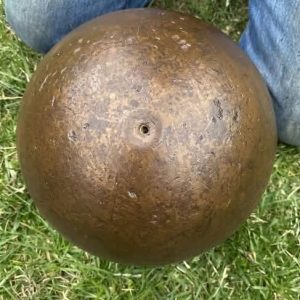
Finding a strange dark or crusty patch on a bathroom floor can be unsettling. It could be something harmless, such as dried hair, an insect cocoon, plant material, or something left behind by a pet. But if the material is firmly stuck to the tile, it may simply be layers of soap scum, body oils, toothpaste, and hard-water minerals that have built up over time.
Stubborn residue can become surprisingly hard when it settles into the tiny grooves of tile and grout. Regular mopping may not be enough to remove it. For many bathroom surfaces, a simple homemade paste can help: mix ½ cup of baking soda, ¼ cup of 3% hydrogen peroxide, and 1 tablespoon of liquid dish soap until you have a thick consistency.
Apply the paste to the buildup and allow it to sit for about 20–30 minutes. Then gently scrub the area with an old toothbrush or soft brush. Wipe everything away with a damp microfiber cloth, rinse the surface thoroughly, and dry it. Always test a cleaner on an inconspicuous area first, and be especially careful with natural stone surfaces such as marble, which can be sensitive to certain cleaning products.
You don’t necessarily need expensive cleaners or harsh fumes to tackle everyday bathroom grime. Baking soda, dish soap, gentle scrubbing, and a little patience can often make a noticeable difference. However, if the material looks organic or unfamiliar, avoid touching it unnecessarily and dispose of it carefully before cleaning the surrounding area.
The next time you discover a mysterious patch on the bathroom floor, don’t assume it’s something unusual. What looks like a strange object may simply be years of accumulated residue. With the right cleaning approach and a little caution, that stubborn buildup may be much easier to remove than it first appears.