Finding a tiny hole in a favorite shirt can be frustrating, especially when you have no idea where it came from. Although moths are often blamed, clothing can be damaged by everyday friction, zippers, buttons, rough surfaces, washing machines, dryers, and fabric-eating pests. The location, size, and pattern of the holes can often provide useful clues about the cause.
Small holes around the lower front of shirts may develop from repeated friction. Clothing can rub against countertops, desks, belts, buttons, jeans hardware, or furniture throughout the day. Even surfaces that seem smooth can gradually weaken lightweight fabric. If several shirts develop holes in nearly the same spot, look for something that repeatedly comes into contact with that area and consider changing the source of the friction.
Laundry can also play a role. Zippers, hooks, Velcro, metal buttons, and other hardware can catch delicate fabrics during washing. Turning clothes inside out, closing zippers and hooks, using mesh laundry bags, and avoiding overloaded machines can reduce the risk of snagging. Repeated exposure to high dryer heat and tumbling can also weaken some fabrics, so follow the care instructions and consider air-drying delicate clothing.
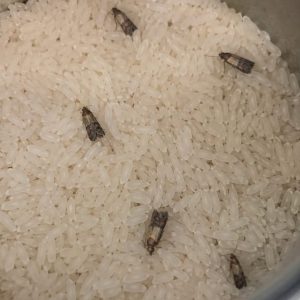
Fabric pests are another possibility, particularly when clothes have been stored for a long time. Moths and their larvae can damage certain natural fibers, especially wool and other animal-based materials. Look for irregular holes, shed skins, larvae, or webbing in closets and drawers. If you find signs of an infestation, thoroughly clean the storage area and inspect nearby clothing.
The good news is that the pattern of the damage can often help identify the culprit. Holes that appear after laundry may point toward washing or drying problems, while repeated damage in the same location may suggest friction. By finding the cause instead of simply repairing each hole, you can protect your clothes and prevent the same problem from happening again.