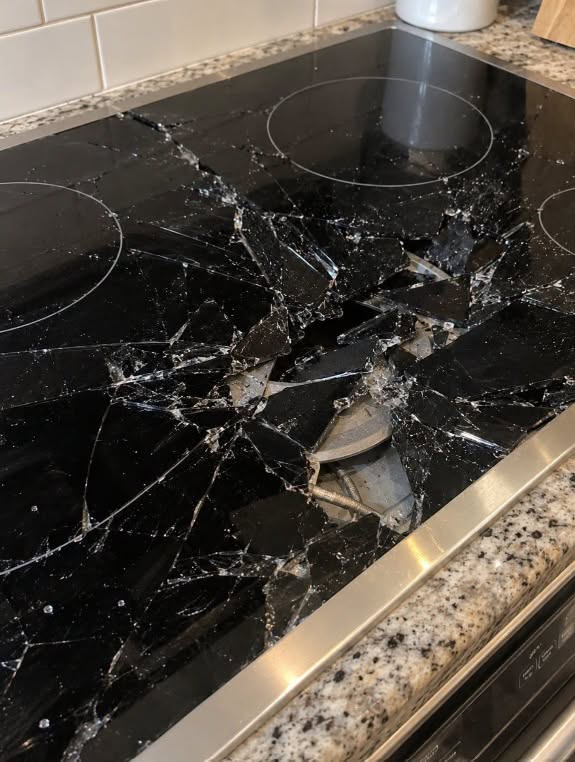
Glass-top stoves are popular in modern kitchens because they look sleek and are relatively easy to clean. However, certain everyday habits can put the cooktop at risk of damage. One practice worth avoiding is placing a hot pot lid facedown directly on the glass surface. While it may seem like a convenient place to rest a lid during cooking, using a safer alternative can help protect your appliance from unnecessary wear or damage.
Glass-ceramic cooktops are designed to handle the heat of normal cooking, but they are not indestructible. Sudden temperature changes, concentrated heat, heavy impacts, and existing chips or scratches may increase the risk of cracking. Some manufacturers specifically advise against placing hot cookware or lids directly on the cooktop. The exact risk depends on the appliance, so checking the manufacturer’s instructions is the best way to understand what is safe for your particular model.
There are also misleading explanations online suggesting that a hot lid can create a vacuum seal strong enough to shatter the glass. Although temperature differences and contact conditions can contribute to damage in some circumstances, this explanation does not account for every broken cooktop. It is best to follow the manufacturer’s recommendations rather than relying on viral claims or assuming every glass-top stove has the same vulnerabilities.
Fortunately, avoiding unnecessary risks is simple. Place hot lids on a heat-resistant trivet or another surface specifically designed to withstand high temperatures. Avoid resting them on the glass unless your appliance’s instructions explicitly permit it. You should also lift pots and pans instead of dragging them across the cooktop, avoid dropping heavy cookware, and clean the surface with products recommended by the manufacturer. These small precautions can help keep your stove in good condition.
If you notice a crack in your glass cooktop, stop using the appliance and arrange for a qualified technician to inspect it. A damaged surface can worsen with continued heating and may create safety hazards. Do not touch the damaged area or pour water onto hot glass. With proper care and a few simple changes to your cooking routine, you can reduce the risk of damage and help your glass-top stove last longer.