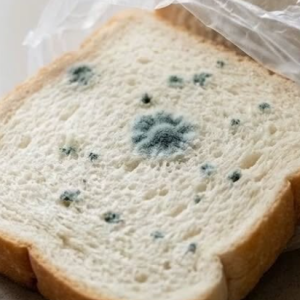
Discovering a green, blue, or white mold spot on your cheddar cheese can be unpleasant, but it doesn’t always mean the entire block belongs in the trash. Whether the cheese can be saved depends largely on its texture and moisture content. Hard cheeses, such as cheddar and Parmesan, can often be safely kept if only a small area is affected, while soft cheeses usually need to be discarded.
Mold can develop on cheese when it is exposed to air, moisture, or improper storage conditions. Even refrigerated cheddar can develop mold after its packaging has been opened. Although certain cheeses are intentionally made with edible mold, unexpected mold growing on ordinary cheddar should always be treated carefully.
According to food-safety recommendations, mold on hard cheese can generally be removed by cutting away at least one inch (2.5 centimeters) around and below the affected area. Make sure the knife does not touch the mold, as this could spread contamination. Once the damaged portion has been removed, wrap the remaining cheese in fresh packaging and return it to the refrigerator.
However, the same rule does not apply to every type of cheese. Soft cheeses such as cream cheese, ricotta, cottage cheese, Brie, Camembert, and fresh mozzarella should be thrown away if unexpected mold appears. Shredded, sliced, and crumbled cheeses should also be discarded because mold and possible contamination can spread more easily through them.
To reduce the chances of mold developing, keep cheese refrigerated at 40°F (4°C) or below, use clean utensils, and store it in appropriate packaging. Never taste cheese to determine whether it is safe, and remember that mold cannot be identified as harmless simply by its color or appearance. When in doubt, throwing it away is the safest choice.