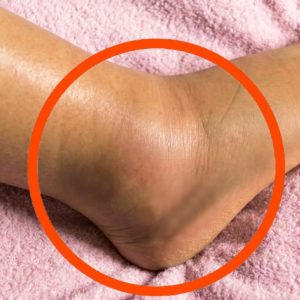
While many serious diseases are typically diagnosed through laboratory tests, medical imaging, and other advanced diagnostic techniques, there are some instances where skin signals or changes in the skin can provide important clues or be associated with certain medical conditions. It’s important to note that skin symptoms alone are usually not sufficient for a definitive diagnosis, and further medical evaluation is often necessary. Here are a few examples where skin signals may be linked to underlying health issues:
Jaundice: Yellowing of the skin and eyes can be a sign of jaundice, indicating liver dysfunction. Conditions such as hepatitis, cirrhosis, or bile duct obstruction can lead to jaundice.
Skin Rashes: Certain autoimmune diseases, such as lupus or dermatomyositis, can manifest with characteristic skin rashes. Psoriasis is another autoimmune condition that affects the skin.
Diabetes: Skin problems, such as darkening or thickening of the skin in certain areas, can be associated with diabetes. Acanthosis nigricans, for example, is a condition where dark, velvety patches form on the skin folds.
Thyroid Disorders: Changes in the skin, including dryness or thinning, can be associated with thyroid disorders like hypothyroidism or hyperthyroidism.
Cleroderma: This autoimmune disorder can cause skin tightening and thickening, affecting not only the skin but also internal organs.
Skin Cancer: Changes in the skin, such as the development of new moles or changes in existing ones, can be indicative of skin cancer. Regular skin checks and monitoring for changes are essential for early detection.
Connective Tissue Diseases: Conditions like rheumatoid arthritis or systemic lupus erythematosus (SLE) can have skin manifestations, such as rashes, ulcers, or sensitivity to sunlight.
Infectious Diseases: Certain infections can cause distinctive skin symptoms. For example, Lyme disease can result in a characteristic skin rash known as erythema migrans.
It’s crucial to emphasize that skin signals are often part of a broader clinical picture, and a comprehensive medical evaluation, including laboratory tests and imaging studies, is necessary for an accurate diagnosis. If you notice any unusual changes in your skin or have concerns about your health, it is advisable to consult with a healthcare professional for proper assessment and guidance.