In the enchanting world of estate sales, particularly those held in older houses, one might encounter a peculiar architectural feature: the phone nook. Nestled in the main hallway on the ground floor, these charming alcoves are a nostalgic reminder of a bygone era. Phone nooks became common in the 1920s and continued to be a staple in home design until the 1950s, reflecting both technological advancements and societal shifts.
The Evolution of Communication Spaces
The 1920s: A New Era of Connectivity
The 1920s were a transformative decade, witnessing the rapid adoption of the telephone in American households. As this innovative technology became more accessible, the need for a designated space to house the cumbersome early telephones arose. Thus, the phone nook was born—a small, recessed area in the wall, often accompanied by a tiny shelf and sometimes even a seat, providing a convenient and dedicated spot for the family phone.
The 1930s-1950s: A Functional and Social Hub
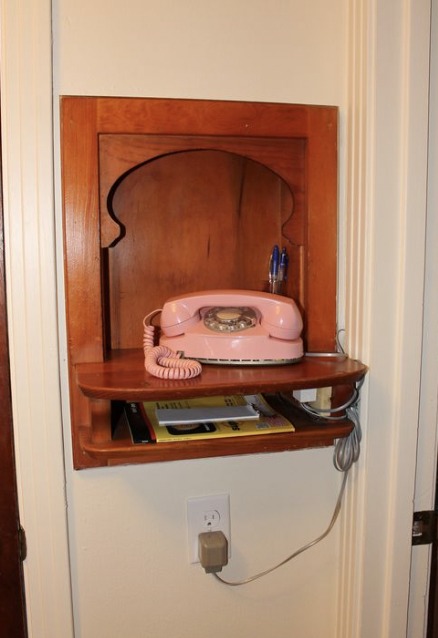
As the years progressed, the design of phone nooks evolved. During the 1930s and 1940s, these nooks became more ornate, reflecting the Art Deco and later Mid-Century Modern design trends. By the 1950s, phone nooks had become a common feature in many homes, symbolizing not just a place for the phone, but a social hub where family members would gather to chat with friends and relatives. The phone nook was often strategically placed in the hallway, a central location ensuring accessibility for all.
The Design and Aesthetic Appeal
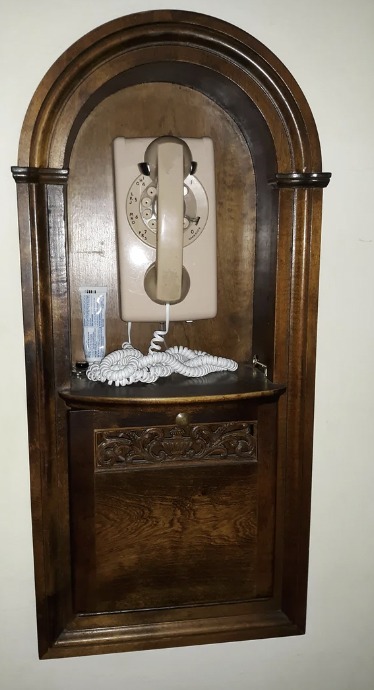
Phone nooks were more than just functional spaces; they were also a statement of style. The design of these nooks varied, ranging from simple, utilitarian recesses to elaborate, built-in structures with decorative moldings and integrated seating. Many were adorned with intricate woodwork or sleek, modern lines, depending on the prevailing architectural trends of the time.
Materials and Craftsmanship
The craftsmanship of phone nooks is a testament to the attention to detail characteristic of early to mid-20th-century home design. Common materials included wood, plaster, and sometimes metal accents. The choice of materials and the level of detail often reflected the homeowner’s personal taste and the overall aesthetic of the house.
The Decline of the Phone Nook
By the 1960s and 1970s, the rise of more compact and portable telephones, along with changes in interior design preferences, led to the gradual decline of the phone nook. Homes began to favor open floor plans and multipurpose spaces, making the dedicated phone nook obsolete. However, for those who appreciate vintage charm, these nooks remain a delightful feature, evoking a sense of nostalgia and a connection to a simpler time.
Rediscovering and Repurposing Phone Nooks Today
Today, phone nooks are often seen as quaint relics of the past, but they can still serve a purpose in modern homes. Many homeowners choose to repurpose these spaces, transforming them into mini libraries, charging stations for modern devices, or decorative niches that add character to their homes. The enduring appeal of phone nooks lies in their ability to tell a story—a story of technological progress, social interaction, and architectural design.
Conclusion
The phone nook is a fascinating artifact of mid-20th-century home design, offering a window into the past and a tangible connection to the evolution of household communication. Whether you’re exploring an estate sale or considering how to incorporate vintage elements into your own home, the phone nook is a charming reminder of an era when the telephone was a central feature of daily life.
So next time you stumble upon a phone nook in an old house, take a moment to appreciate its history and the stories it holds. In doing so, you not only honor the craftsmanship of the past but also keep a small piece of history alive in today’s modern world.