The ocean’s surface temperatures have reached a strange low for this time of year
A strange anomaly is going on in the Atlantic Ocean, and experts can’t seem to understand the reason behind it.
Over the past year, surface temperatures in the Atlantic Ocean hit some new highs as temperatures across the globe reached record-breaking heights in general.
But, it seems that something has occurred to reverse the case in the Atlantic Ocean with its surface temperatures suddenly dropping at a record speed over the past few months.
According to the National Oceanic and Atmospheric Administration (NOAA), data shows that the Atlantic’s sea surface temperatures began cooling since May.
It appears that the Atlantic has been a degree or two Fahrenheit colder than normal for this time of year.
Now, oceans are evidently susceptible to many weather changes throughout the year. Typically during this time, the Atlantic’s temperatures are expected to rise in part because of human-caused climate change, but in another part because of a complex weather pattern called El Niño.
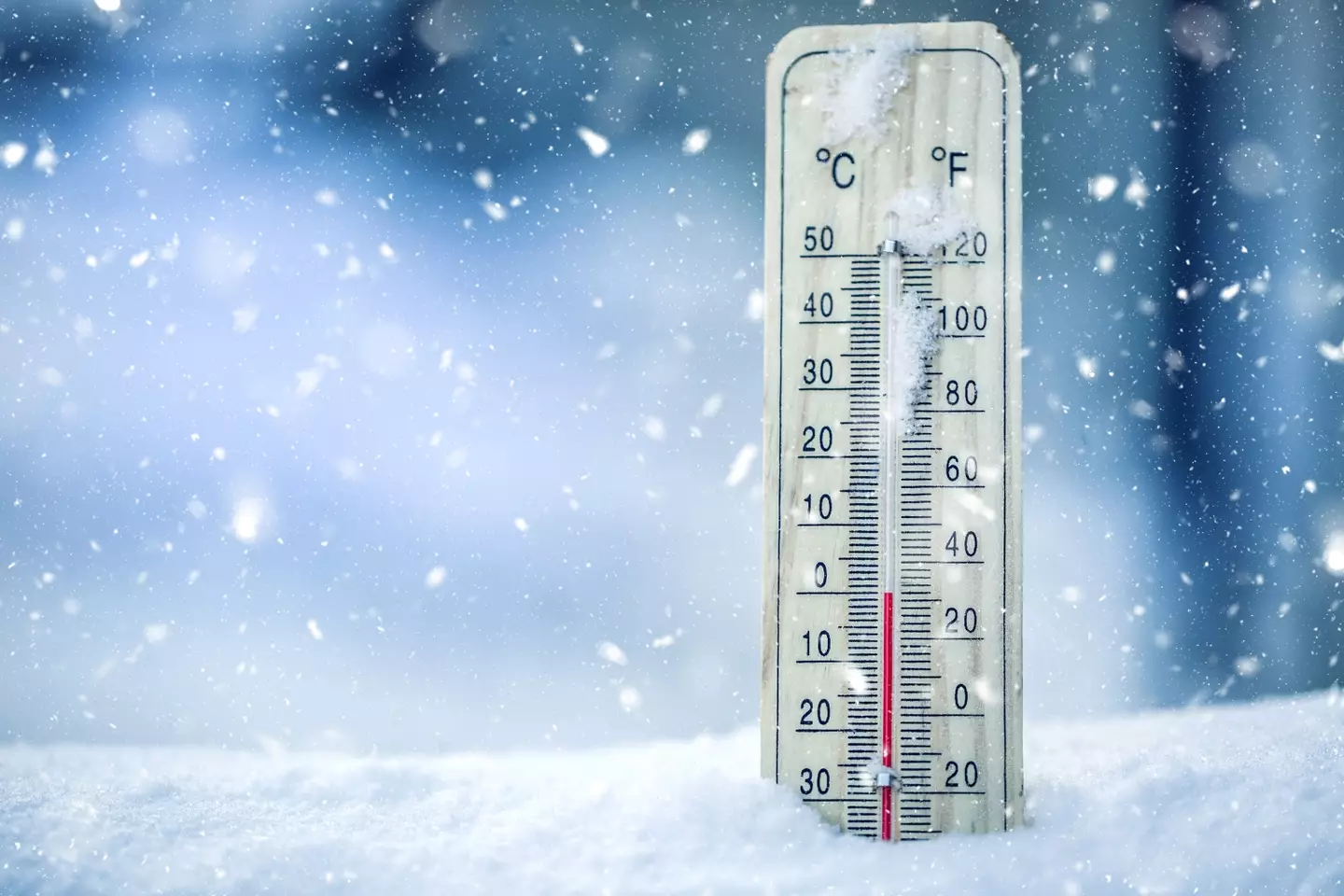
The Atlantic Ocean is now a degree or 2 Fahrenheit colder (Getty Stock Photo)
El Niño refers to a warming of the ocean surface or above-average hotter temperatures in the ocean.
The Atlantic Ocean has been setting new heat records since March 2023, and one large reason for this is an especially strong El Niño that passed during 2023 and 2024.
But it now seems that the Atlantic’s El Niño is likely to be replaced by its counterpart La Niña, which is when ocean temperatures are unusually cold a little too early.
Both these weather patterns are incredibly complex and are susceptible to trade winds, solar heating, and rainfall which makes them difficult to predict.
However, the sudden shift in the Atlantic’s temperatures and its presumed transition into La Niña — which is typically predicted to start in September — has experts quite baffled.

The changes could have an effect on nearby continents. (Getty Stock Photo)
“We’ve gone through the list of possible mechanisms, and nothing checks the box so far,” said Frans Philip Tuchen, a postdoctoral student at the University of Miami, to the New Scientist.
These unprecedented changes are evidently a cause for concern for the environment.
The NOAA says that changes in the El Niño and La Niña weather patterns could impact rainfall in surrounding continents, and that Atlantic Niños have been shown to increase the likelihood of hurricanes near the Cape Verde islands.
According to Michael McPhaden at NOAA, it could also influence the ocean’s cycles – with the Atlantic potentially delaying the Pacific Ocean’s La Niña in ‘a tug of war’ as the Pacific ‘tries to cool itself and the Atlantic tries to warm it’.
So far, whether or not the Atlantic is fully developing into La Niña is still being monitored.
If it does, then predictions on the climate for surrounding areas could change for the remainder of the year.