The Apollo Program set the US back a staggering amount of money
If you’ve ever wondered why the US have attempted to land on the Moon again, then the amount of cash they spent on Project Apollo will probably make you understand.
Project Apollo was created in 1961 all in a bid to beat the Soviets by landing on the Moon first.
As I’m sure you can imagine, the mission was no easy feat and it wasn’t until eight years later that NASA successfully landed man on the Moon with Neil Armstrong and Buzz Aldrin making history as the first astronauts to do so as part of Apollo 11.
Michael Collins was also up there with them and successfully piloted the spacecraft and got his crew safely back to Earth.
There were a further five spaceflights between then and 1972 that successfully landed on the Moon, but the US hasn’t put a human on the lunar surface since.
As to why, the main reason all came down to funding.
Project Apollo had several important components to it, including building and up-keeping spaceships, covering the cost of launching the vehicles and things like ground facilities and people’s wages.
With this in mind, it’s understandable that the project wasn’t a cheap mission to run and billions were spent over this time frame.
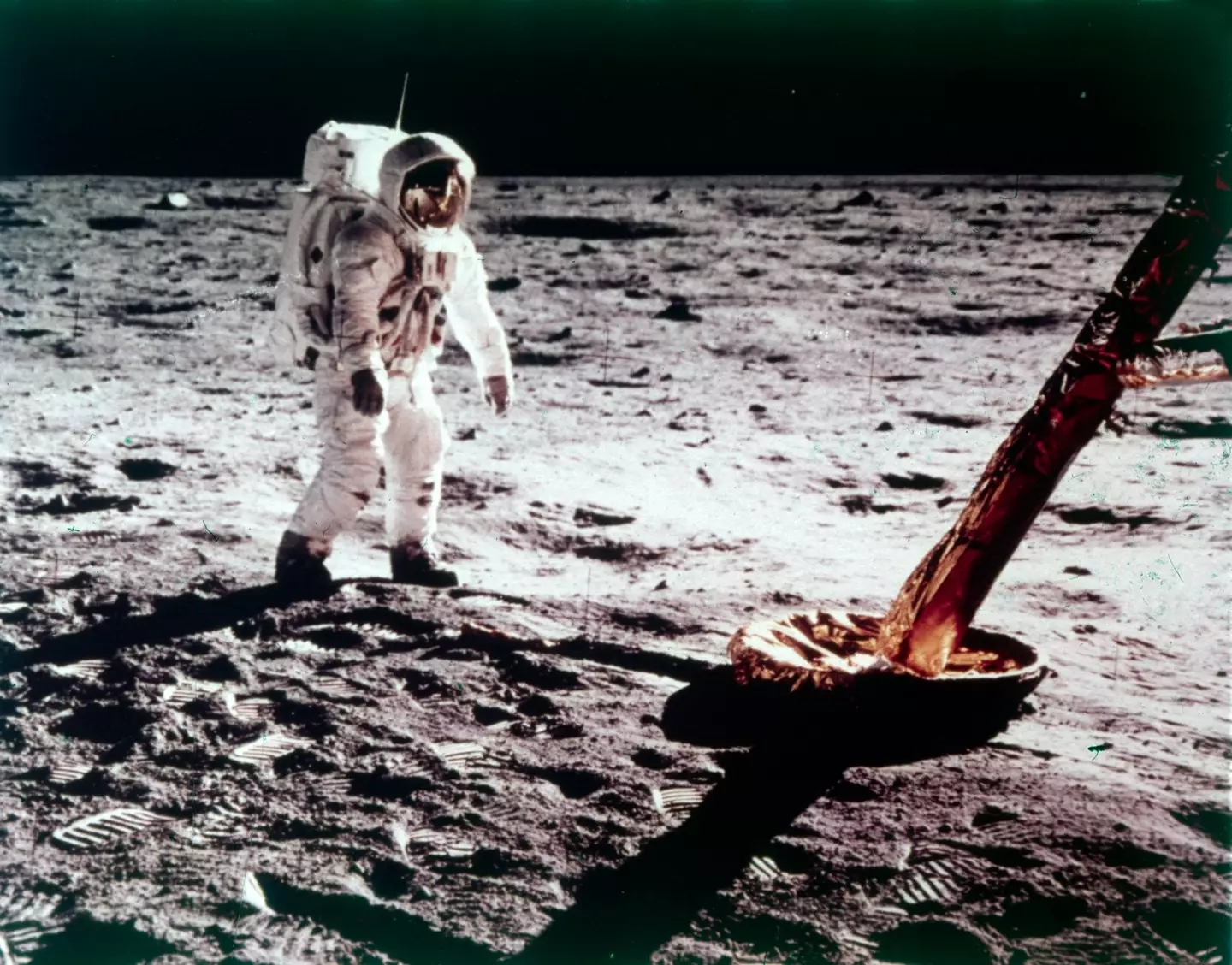
Buzz Aldrin pictured on the moon in July 1969. (Heritage Space/Heritage Images/Getty Images)
According to new data from The Planetary Society, the US spent a staggering $25.8 billion on hardware, facilities, and overheads directly associated with Project Apollo between fiscal years 1960 and 1973 – a far cry from the $7 billion resident John F. Kennedy’s government estimated it would cost.
This converted to inflation rates in 2020 would set the likes of NASA back around $257 million.
If you add Project Gemini and the robotic lunar program, both of which enabled Apollo, this total would come to an eye-watering $280 million when taking inflation into consideration.
The mission became increasingly more expensive as the years went on. For example in 1961 mission support and operations were reported to have cost $297,000 at time and by 1972 this had increased to $310,326,000, as per a 2022 study.
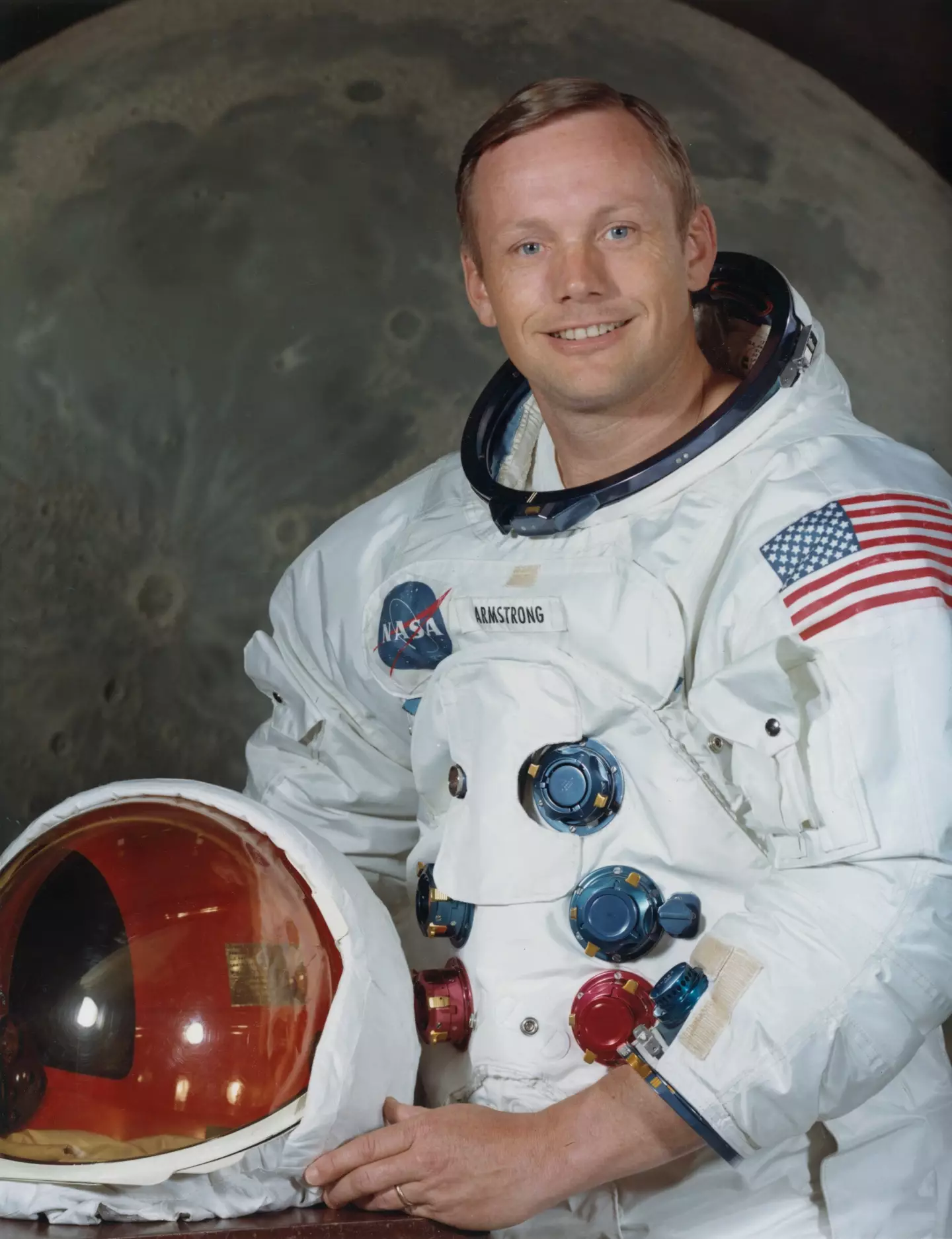
Neil Armstrong was officially the first man to walk on the moon. (Space Frontiers/Getty Images)
While Project Apollo has now ceased to exist, space exploration continues.
One key part of the globe’s ongoing efforts to find out more about space is the International Space Station which has been visited by 280 individuals from 23 countries.
According to Space.com, the station costs about $3 billion per year for NASA to operate.
While still expensive, it’s substantially less than the fees NASA racked up while running Project Apollo.