A species teetering on the edge of extinction now sees a glimmer of hope.
In Australia, a team of scientists is elated by the apparent success of their endeavors to boost the species.
A striking revelation was recently made by ecologists working at the Mt Gibson Wildlife Sanctuary in Australia.
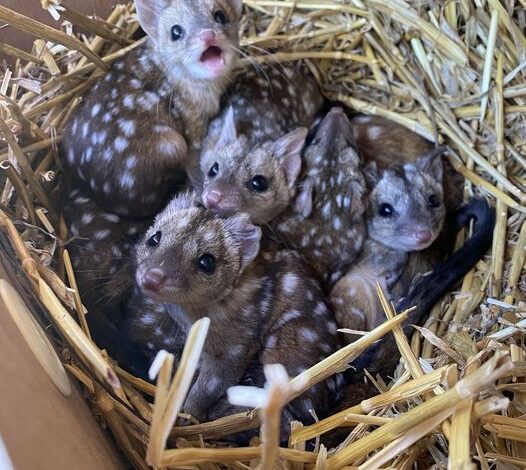
Within the sanctuary, an adorable litter of newborn, spiky creatures was stumbled upon.
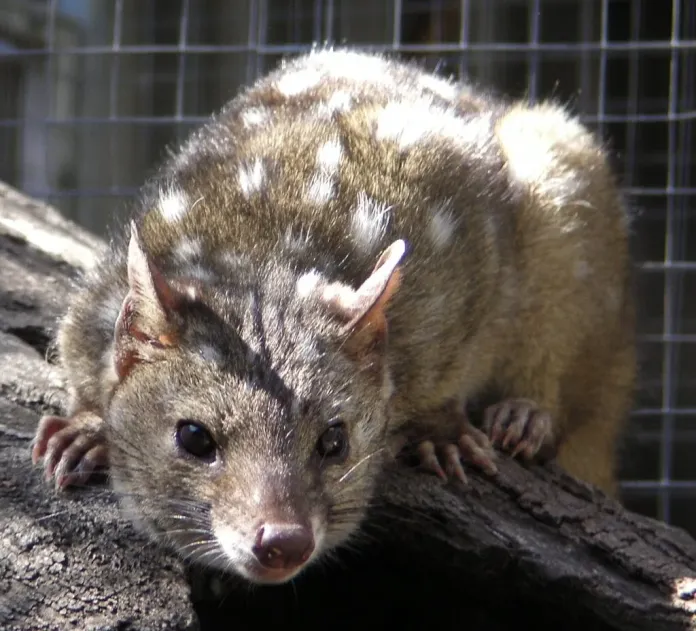
However, these are not just any creatures; they are individuals of the species known as “western quolls,” a specific category of marsupial carnivores.
Previously, these quolls were scattered across Australia, but their numbers drastically plummeted since the arrival of European settlers in the region.
Currently, the western quolls, also referred to as chuditchs, are only observed in small groups in the southwest corner of Australia.
This marsupial species grows to approximately the size of a cat and serves a crucial function in the ecosystem by managing populations of smaller invertebrates, as well as specific reptiles and birds.
A Fresh Start
Over the last few months, researchers have been diligently working towards reintroducing these marsupials to the Mt Gibson Wildlife Sanctuary, where they were once considered extinct.
The recent sighting of newborn marsupials confirms the success of the researchers’ efforts. The creatures appear to be thriving in their new environment and are displaying no reproduction difficulties.
“By consistently monitoring the situation, we can observe the positive progress of the quolls at the sanctuary. The discovery of the first pouch young is an optimistic indication that they are adapting well to their new surroundings,” explained Georgina Anderson, AWC Senior Field Ecologist.
She further added, “A particular quoll named Aang has become a camera trap regular at our release sites. Aang, one of our most sizable and visually appealing quolls with a vibrant personality, often visits numerous locations to gather the chicken bait we use, occasionally disrupting our bait canisters.”
What a delight to witness a surge of optimism for this species! Let’s hope it can soon thrive across Australia once more!