In the modern world of digital grocery apps and handwritten lists, it’s hard to imagine a time when organizing a shopping trip was anything but simple. But did you know that as far back as the 1920s, people were already experimenting with innovative ways to streamline the grocery shopping process? Enter the reusable shopping list, a fascinating tool from the early 20th century that combined functionality with the charm of vintage design.
What Was the 1920s Reusable Shopping List?
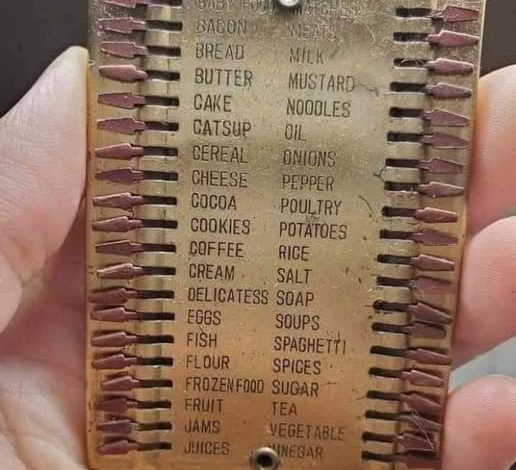
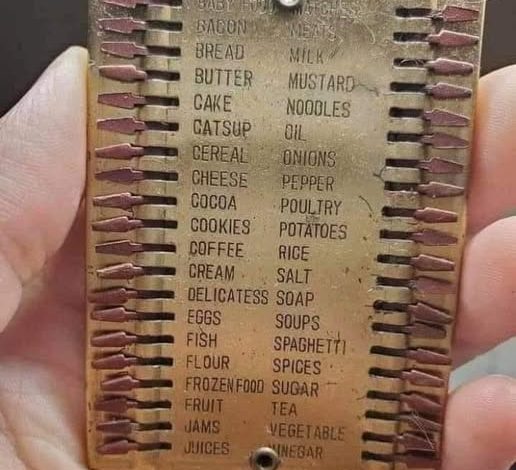
The reusable shopping list of the 1920s was a practical device designed to simplify household management. These lists often came in the form of boards, plaques, or booklets with printed categories of commonly purchased grocery items. Next to each item was a mechanism—such as sliding indicators, movable tabs, or erasable surfaces—allowing users to mark the items they needed for their next shopping trip.
Unlike today’s single-use paper lists, these were meant to be used repeatedly, making them a sustainable choice for the time.
How Did It Work?
The functionality of these shopping lists was delightfully simple yet effective. Depending on the design, shoppers could:
- Slide Tabs or Windows: Some lists featured small windows or sliders next to item names. When you needed an item, you would reveal or mark it, creating a clear visual reminder.
- Erasable Surfaces: Other versions included chalkboard or wipeable surfaces where shoppers could manually check or add items, then erase them after shopping.
- Rotating Dials: Some designs incorporated rotating dials or wheels to select items, showcasing early examples of interactive design.
Once completed, the list could be taken to the store or shared with a household member. After the items were purchased, it was reset for the next use.
Why Was It Popular?
The reusable shopping list gained traction for several reasons:
- Practicality: It helped organize shopping trips at a time when households depended on detailed planning for weekly purchases.
- Sustainability: Long before environmental consciousness became mainstream, these tools reduced the need for wasteful paper lists.
- Time-Saving: By pre-listing staple items like bread, butter, flour, and sugar, it minimized the time spent creating new lists from scratch.
- Aesthetic Appeal: Many reusable lists were beautifully crafted with decorative fonts, wooden frames, or colorful graphics, doubling as charming kitchen decor.
A Reflection of the Times
The 1920s was an era of innovation and modernization, from household gadgets to technological advancements like radios and automobiles. The reusable shopping list was a small but meaningful part of this wave of ingenuity. It reflected the growing consumer culture of the time, as well as a shift toward convenience and efficiency in domestic life.
Legacy and Inspiration
While reusable shopping lists from the 1920s have largely faded from use, they remain cherished collectibles for vintage enthusiasts. These artifacts are a testament to the creativity of past generations, offering insight into how people managed their daily lives before the digital era.
Today, their influence can be seen in modern tools like shopping apps, magnetic fridge notepads, and dry-erase boards—all of which echo the same principles of sustainability, practicality, and efficiency.
The Timeless Appeal of Vintage Solutions
As we continue to seek more sustainable and efficient ways to live, the reusable shopping list serves as a reminder that innovative ideas often transcend time. Whether it’s a simple sliding tab or a sophisticated app, the goal remains the same: to make life easier while minimizing waste.
So the next time you reach for your phone or notepad to jot down groceries, take a moment to appreciate the cleverness of the 1920s reusable shopping list—a small but enduring piece of history.