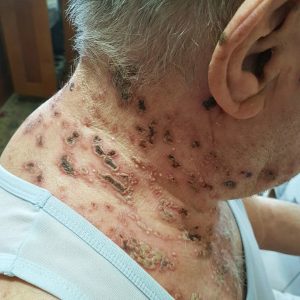
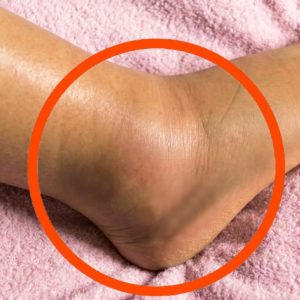
What Are Boils and Abscesses?
A boil (also called a furuncle) is a swollen, pus-filled lump under the skin caused by bacteria, usually Staphylococcus aureus. When untreated, it can grow larger and become an abscess—a deeper infection that may need medical intervention. Boils can appear anywhere on the body, but they’re most common in areas prone to friction, sweat, or hair follicles, such as:
- The neck
- Armpits
- Face
- Inner thighs
What Causes Them?
- Bacterial Infections: Most boils are caused by bacteria entering the skin through small cuts or hair follicles.
- Clogged Sebaceous Glands: Oil glands can become blocked, forming cysts that may get infected.
- Weak Immune System: A weakened immune system makes it harder for the body to fight off infections.
- Sweat and Friction: Constant sweating and rubbing can irritate the skin, making it vulnerable to infections.
How to Prevent Skin Boils and Infections
Prevention is always better than cure! Here are some key habits to keep your skin healthy:
- Practice Good Hygiene
- Wash your body daily with a mild antibacterial soap.
- Pay extra attention to areas that sweat a lot, like armpits and the groin.
- Don’t Share Personal Items
- Sharing towels, razors, or clothes can spread bacteria. Keep these items personal to avoid infections.
- Treat Minor Injuries Immediately
- Clean small cuts, insect bites, or scratches with soap and water.
- Apply an antiseptic and cover the area with a clean bandage.
- Exfoliate Regularly
- Use a gentle scrub once or twice a week to unclog pores and remove dead skin cells.
- Wear Breathable Clothing
- Avoid tight clothes that trap sweat and moisture. Opt for loose, cotton fabrics to let your skin breathe.
- Boost Your Immune System
- Eat a balanced diet with plenty of fruits, vegetables, and protein.
- Stay hydrated, exercise, and get enough sleep to keep your body strong.
What to Do If You Get a Boil
Sometimes, despite our best efforts, infections can still happen. If you notice a red, swollen bump, here’s how to manage it safely:
- Don’t Pop It
- Never try to squeeze or pop a boil! This can push the infection deeper into your skin and spread bacteria to other areas.
- Use Warm Compresses
- Apply a clean, warm cloth to the affected area 3–4 times a day for 15 minutes. This can help reduce swelling and encourage natural drainage.
- Keep It Clean
- Gently wash the area daily with mild soap and water. Afterward, cover it with a sterile bandage to protect it.
- Over-the-Counter Treatments
- Apply an antibacterial ointment or cream (like Neosporin) if recommended by your pharmacist.
- Watch for Warning Signs
- If the boil grows larger, becomes extremely painful, or is accompanied by fever, chills, or swollen lymph nodes, it’s time to see a doctor.
When to Seek Medical Help
Some infections need professional care. Call a doctor if:
- The boil doesn’t improve after a week of home care.
- You notice red streaks around the infection, which could mean the infection is spreading.
- You have recurring boils or other skin issues.
- The pain is severe, or you have a weakened immune system (e.g., due to diabetes or another condition).
The Bottom Line
Skin boils and abscesses can be painful and frustrating, but with good hygiene, self-care, and a few healthy habits, you can prevent them from happening in the first place. If you do get one, don’t panic—follow the tips above, and don’t hesitate to reach out to a healthcare professional if needed.
Share this information with your friends and family to help them protect their skin, too. Let’s stay healthy together!