Phil Collins, the legendary Genesis drummer and the voice behind timeless hits like In the Air Tonight and Against All Odds, has long been a fixture in rock history.
From his early days as a child actor to becoming a global music icon, Collins’ career has been marked by extraordinary success.
Yet, in recent years, the man known for his powerful voice and electrifying drumming has faced significant health challenges that have altered his life profoundly. As Collins approaches his 75th birthday, he has shared for the first time in a long while the realities of his day-to-day existence: he now requires 24-hour care, relying on nurses and medical aides to manage his ongoing physical struggles.
This revelation sheds light on the toll that decades of music, touring, and personal challenges have taken on the legendary artist.

A Heartbreaking Health Update
Phil Collins’ health journey has been turbulent. Once an unstoppable force behind the drum kit and a singer whose voice defined a generation, Collins has endured a series of medical challenges that have forced him to step away from performing.
In a candid appearance on BBC’s Eras podcast, Collins opened up about his current reality. He revealed: “I have a 24-hour live-in nurse to make sure I take my medication as I should do. I’ve had challenges with my knee. I had everything that could go wrong with me, did go wrong with me.”
Collins’ knees, which have suffered from repeated injuries and surgeries, now allow him only limited mobility. The musician has undergone five knee operations, leaving him with just one functioning knee. Walking requires assistance, such as crutches or other mobility aids.
Beyond knee issues, Collins has also been battling drop-foot, a condition that has left one of his feet numb since a spinal procedure in 2007. The complication has forced him to use a cane since 2015, severely impacting his ability to perform the high-energy drumming that once made him famous.
The Surgeries That Changed Everything
Collins’ physical decline is the result of decades of wear and tear compounded by a few critical medical interventions. In 2009, he underwent surgery on his upper neck to address an issue that arose while drumming during Genesis’ 2007 tour.
This operation, intended to repair nerve damage, came with significant consequences: he lost sensation in his fingers and could only hold drumsticks if they were taped to his hands.
The loss of fine motor control effectively ended the era of Collins as a high-energy live drummer. Where once he was celebrated for his complex rhythms and unstoppable stamina, he was now limited to seated performances and reduced physical activity.
Alcohol and Kidney Problems
Collins has also been candid about the role that alcohol abuse played in complicating his health. He attributes part of his kidney issues to years of heavy drinking, though he notes that he was never chronically drunk: “I’d probably been drinking too much, and so my kidneys were messed up, you know. I enjoyed coming off tour. Coming off the road …
I thought, right, I’m gonna do all those things that I couldn’t do. I guess I had too much of it. I was never drunk, although I fell over a couple of times. But it is just one of those things that happened, and it all caught up with me, and I spent months in hospital.”
Collins has now been sober for two years, a milestone that reflects both his resilience and his commitment to managing his declining health.
The Final Genesis Performance and Legacy
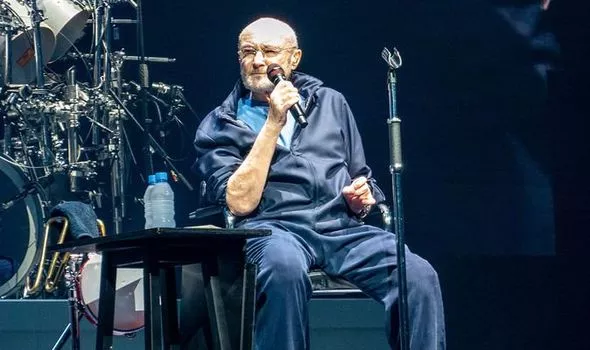
In 2019, Collins performed his final show sitting down at London’s O2 Arena on Genesis’ The Last Domino? Tour.

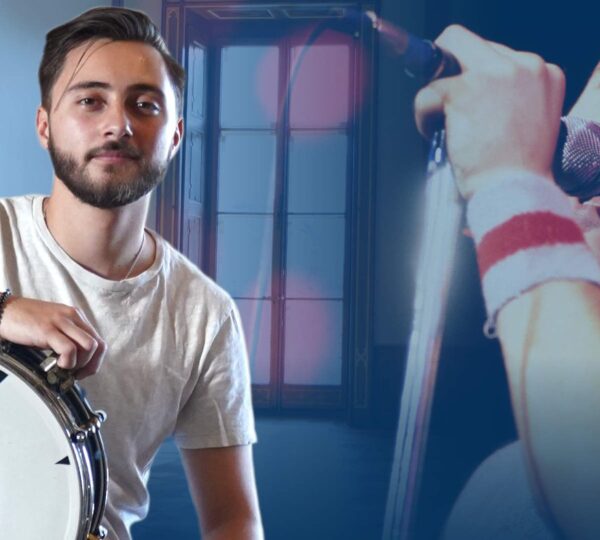
The performance was historic for multiple reasons: it marked the end of his touring career and introduced a new generation of musicians, including his 24-year-old son Nic Collins, who took over on drums.
Despite the limitations imposed by his health, Collins delivered a performance that reminded fans why he remains one of rock’s most enduring figures.
It was a bittersweet farewell, showcasing the musician’s unwavering talent while highlighting the physical price of decades on stage.
Early Life: From Child Actor to Drummer
Phil Collins’ extraordinary life began long before Genesis and In the Air Tonight. Born in Chiswick, London, in 1951, Collins entered the spotlight at just 12 years old, appearing in classic films like A Hard Day’s Night and Chitty Chitty Bang Bang.
He also starred in the West End production of Oliver! in 1964, demonstrating remarkable musical and theatrical talent at a young age.
By age 18, Collins had shifted his focus from acting to music. In 1970, he joined Genesis as their drummer, a role that would catapult him into rock stardom.
When lead singer Peter Gabriel left the group in 1975, Collins assumed the role of frontman, guiding Genesis through its most commercially successful era and solidifying his reputation as a multi-talented musician capable of both drumming and singing at the highest level.
Solo Success and Iconic Hits
Collins’ solo career began in the 1980s, and he quickly became a household name. His 1981 debut solo album, Face Value, introduced fans to the song In the Air Tonight, which remains one of the most iconic tracks in music history.
The song’s dark, moody production, combined with Collins’ distinctive voice and emotive drumming, captured listeners worldwide.
Over the next two decades, Collins released a string of highly successful albums, including Hello, I Must Be Going! (1982), No Jacket Required (1985), and …But Seriously (1989). Hits like Against All Odds, Another Day in Paradise, and Sussudio cemented his status as a global superstar.
His work has won him seven Grammy Awards, two Golden Globes, and an Academy Award for Best Original Song (Against All Odds, 1984).
Personal Life and Family
Phil Collins’ personal life has also been in the public eye. He has been married three times and has five children, including Nic, who now carries forward the family legacy as a drummer.
Despite the public scrutiny, Collins has remained devoted to his children, often sharing insights into the challenges of balancing a demanding career with family responsibilities.
His health struggles have made family support even more critical. With a 24-hour live-in nurse, Collins now relies on both medical professionals and close family members to navigate his daily routine, from walking and mobility to medication management.
Medical Challenges Beyond the Knees
Collins’ physical struggles extend far beyond knee replacements. The musician has faced:
Drop-foot: Causing partial numbness and requiring the use of a cane.
Loss of finger sensation: From spinal surgery, limiting his ability to drum without adaptations.
Chronic pain: Resulting from years of touring, drumming, and performing.
Kidney issues: Complicated by past alcohol use and general health decline.
Each of these challenges has profoundly impacted his life, forcing him to adjust how he interacts with music, performance, and daily activities.
Reflections on Life and Music
Despite these limitations, Collins remains reflective and candid about his journey. On the Eras podcast, he admitted: “The last few years have been difficult, interesting, [and] frustrating, but it’s all right now.”
He has taken the opportunity to focus on legacy, family, and personal growth, embracing a quieter life while still connecting with fans through interviews, podcasts, and occasional public appearances.
Collins has also expressed gratitude for the support of his family, particularly his children, who have been instrumental in helping him navigate the challenges of aging and chronic illness.
Musical Legacy and Influence
Phil Collins’ impact on music cannot be overstated. His drumming style, emotive voice, and songwriting have influenced countless artists across multiple genres.
As a member of Genesis and as a solo artist, Collins has sold over 100 million records worldwide, making him one of the best-selling music artists of all time.
Collins’ signature drum fill in In the Air Tonight has become cultural shorthand for suspense, appearing in films, television shows, and countless covers.
His ability to blend rock, pop, and soul influences has made his music timeless, resonating with audiences across generations.
Even as his health has declined, Collins’ influence endures. His son Nic carries on the drumming tradition, performing Genesis songs on tour and introducing the music to younger audiences. In this way, Collins’ legacy continues to thrive, bridging the past and present of rock history.
The Human Side of a Legend
While fans celebrate his music, Collins’ health struggles remind the world of his humanity and vulnerability. Despite fame, wealth, and recognition, he faces challenges that most people encounter only in later life, magnified by decades of physical strain and medical complications.
Collins’ openness about his condition—including the need for round-the-clock care, multiple surgeries, and mobility aids—offers a rare glimpse into the personal reality of a music icon.
It underscores the fact that behind the public image of legendary artists lie ordinary human challenges, and even rock stars are not immune to the ravages of time and health.
Looking Ahead
As Phil Collins navigates this next chapter of life, fans and fellow musicians continue to express admiration for his resilience, talent, and honesty.
He has embraced a slower pace of life, focusing on personal well-being, family, and occasional creative projects that accommodate his health.
Even in the face of profound physical limitations, Collins’ spirit and musical influence remain undiminished. His story is not just one of a rock legend but also of a man confronting adversity with dignity, courage, and self-awareness.
In reflecting on his life, Collins acknowledges both the triumphs and the challenges: “I guess I had too much of it. It is just one of those things that happened and it all caught up with me. But it’s all right now.”
His journey serves as a testament to resilience, highlighting that even icons must navigate the complexities of health, aging, and personal responsibility. And through it all, Phil Collins remains a beloved figure whose music will continue to inspire generations.