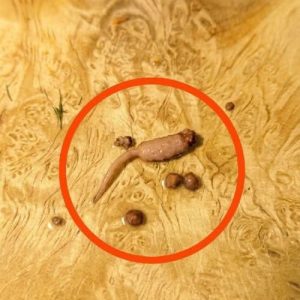
If you have seen viral videos of people soaking strawberries, blueberries, or raspberries in salt water, you may have noticed tiny white larvae appearing from the fruit. The sight can be unpleasant enough to make anyone question whether their berries are safe to eat. However, these discoveries are usually more surprising than dangerous.
The tiny creatures are often larvae of the spotted wing drosophila, a small fruit fly that can lay eggs inside ripening soft fruits. Unlike ordinary fruit flies, this species can target healthy-looking berries while they are still developing. The larvae may remain hidden inside the fruit until it is cut open or soaked in water, which is why they can sometimes go unnoticed.
A salt-water soak may encourage some larvae to emerge, making them easier to see, but it is not a guaranteed method for finding or removing every larva. More importantly, accidentally eating a small larva is generally considered a very low health risk. These insects are a natural part of outdoor agriculture and can occur in both conventionally grown and organic produce.
The best way to handle berries is to inspect them carefully and rinse them thoroughly under cool running water before eating. Remove any damaged or moldy fruit, and keep fresh berries refrigerated. Avoid washing them too far in advance because excess moisture can make them spoil faster. If the berries are slimy, leaking, unusually soft, smell unpleasant, or appear heavily infested, it is better to discard them.
Discovering larvae in fresh berries may certainly be unsettling, but it does not automatically mean the fruit is unsafe. Proper washing, refrigeration, and careful inspection are the most important steps. So while a salt-water soak may reveal something you would rather not see, there is usually no need to panic over an occasional tiny insect larva in otherwise fresh berries.