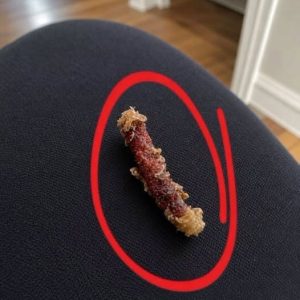
A large, dark lump on the back can look alarming, especially when the surrounding skin appears red, swollen, or irritated. One possible cause is an epidermoid cyst, a growth that develops beneath the skin. However, other skin conditions can look similar, so it is important not to assume what the lump is based on its appearance alone.
Epidermoid cysts commonly develop on the back, neck, and other parts of the body. They often grow slowly and may remain harmless for years without causing discomfort. Some have a small opening in the center, while others appear as smooth bumps beneath the skin. In certain cases, a cyst can become inflamed, swollen, tender, or even rupture, causing additional irritation.
Treatment depends on the lump’s size, location, and symptoms. If a cyst becomes painful or significantly inflamed, a healthcare professional can determine whether drainage, medication, or another treatment is appropriate. For cysts that require removal, a doctor may recommend a procedure to remove the entire cyst and its surrounding sac, helping reduce the chance of it returning.
One of the biggest mistakes people make is trying to squeeze, puncture, or cut open a lump at home. Although this might seem like a quick solution, it can cause bleeding, infection, scarring, and further tissue damage. Even if fluid comes out, the underlying cyst may remain. A doctor or dermatologist can examine the area and recommend the safest course of action.
Seek medical attention if the lump grows quickly, becomes increasingly painful, begins draining, or develops spreading redness or warmth. Fever or feeling generally unwell may indicate a more serious infection and requires prompt evaluation. Many skin cysts are benign, but any large, persistent, or unusual lump deserves proper medical assessment rather than a home diagnosis. When it comes to a concerning skin lump, professional evaluation is always safer than attempting to remove it yourself.