A Glimpse into History
In the days before advanced technology and digital payments, the role of a cashier was both essential and challenging. Cashiers were the lifeline of retail operations, responsible for handling transactions, managing money, and ensuring customer satisfaction in a pre-digital age.
Manual Transactions
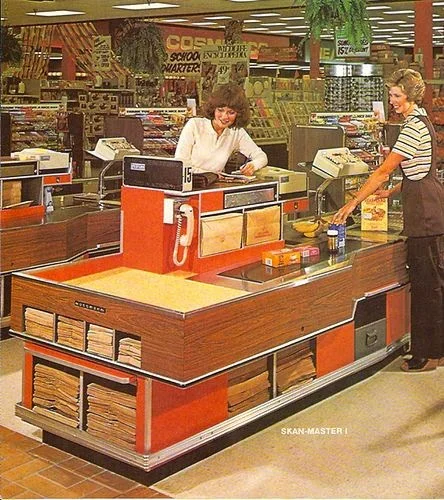
Back in the day, cash registers were mechanical devices with levers and keys, requiring manual operation. Cashiers had to be quick and accurate, adept at calculating totals and making change without the aid of automated systems. Mental arithmetic skills were crucial, as any mistakes in calculations could lead to discrepancies in the till.
Customer Interaction
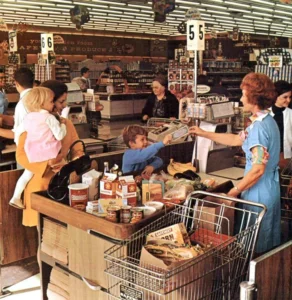
Customer service was a significant aspect of a cashier’s job. Cashiers were often the first and last point of contact in a store, making their role vital for creating a positive shopping experience. Politeness, patience, and a friendly demeanor were essential, as cashiers dealt with various customer inquiries and complaints.
Record Keeping
Without digital systems to track sales and inventory, cashiers played a crucial role in maintaining accurate records. They manually logged transactions, tallied daily sales, and helped keep track of inventory. This meticulous record-keeping was vital for store management and ensuring the business ran smoothly.
Security and Trust
Handling large sums of money required a high level of trust and integrity. Cashiers were responsible for balancing the cash register at the end of their shift, ensuring all transactions were accounted for. Any discrepancies had to be thoroughly investigated, and cashiers needed to be vigilant against theft and fraud.
The Evolution of the Role
While technology has significantly transformed the role of cashiers today, the foundational skills of accuracy, customer service, and trust remain crucial. Modern cash registers and digital payment systems have automated many tasks, but the essence of the cashier’s role, providing excellent service and ensuring smooth transactions, continues to be vital in the retail industry.
The job of a cashier in the past was demanding yet rewarding, requiring a unique blend of skills and attributes. It was a role that laid the groundwork for the modern retail environment, highlighting the importance of human interaction and meticulousness in handling financial transactions.