You’ve probably noticed it while driving at night: some lights seem brighter these days, almost as if the road has turned into a stage. Why this sudden dazzling effect? Is it your eyes getting tired, your car getting old… or is it just a technological advancement that’s a little too bright? The answer holds a few surprises—and, above all, solutions that are much simpler than you might think.
Why are our eyes more sensitive to modern headlights?
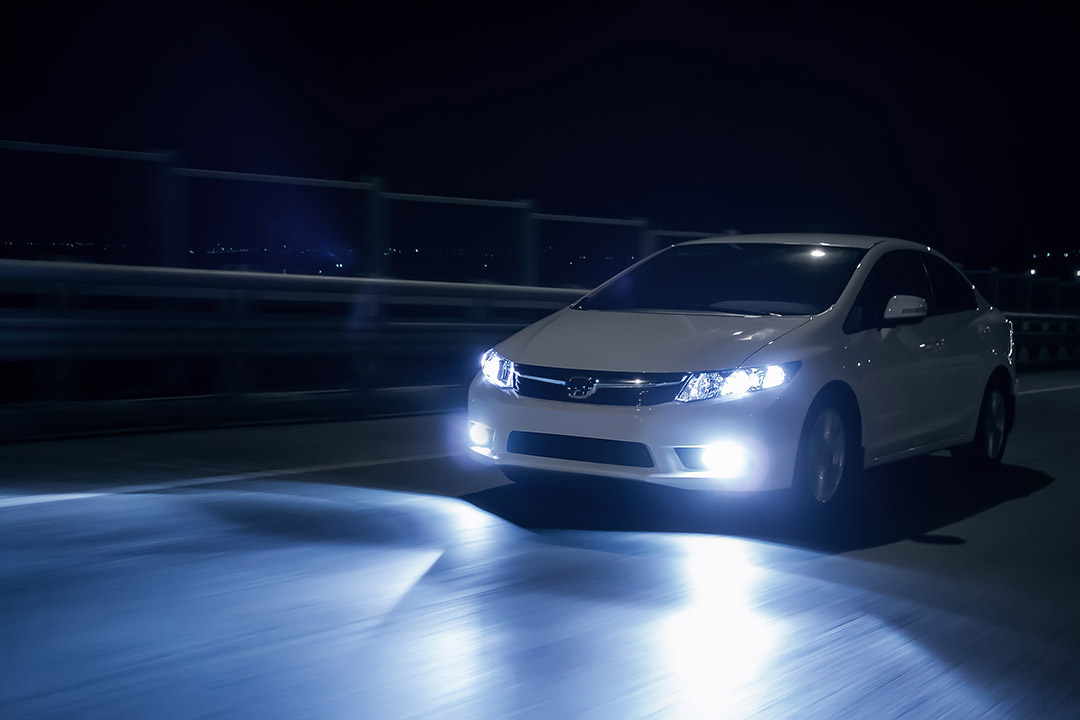 For several years now, many vehicles have been equipped with LED headlights, known for offering clearer visibility. A real advantage for lighting the road… but sometimes a bit of a challenge for our eyes.
Many female drivers report feeling uncomfortable when they encounter these whiter, more directional lights, especially after a long day or when driving in the rain.
The main problem? Concentrated light that can surprise and momentarily saturate the vision.
A single second is enough to lose your bearings, a bit like when you go from a dark room to a brightly lit aisle in a shop.
The result: a feeling of blurriness, hesitation, sometimes even the need to slow down to regain visual comfort.
When the height of the lights changes everything
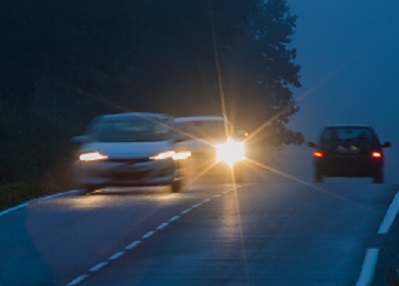 Another factor that exacerbates this problem is the position of the headlights, especially on larger vehicles. Many people notice that when a large SUV approaches from the opposite direction, the light seems to hit them directly at eye level.
It’s not so much a question of power as of inclination.
The good news is that this parameter is easily checked and corrected. During vehicle inspections, the headlight alignment is systematically examined, as an angle that is too high can obstruct other road users, while an angle that is too low reduces the driver’s visibility.
Even without a visit to an auto center, certain everyday situations—such as rear passengers or a loaded trunk—can alter the beam height. On many cars, a simple manual adjustment restores optimal lighting.
What our eyes can tolerate… and what they prefer
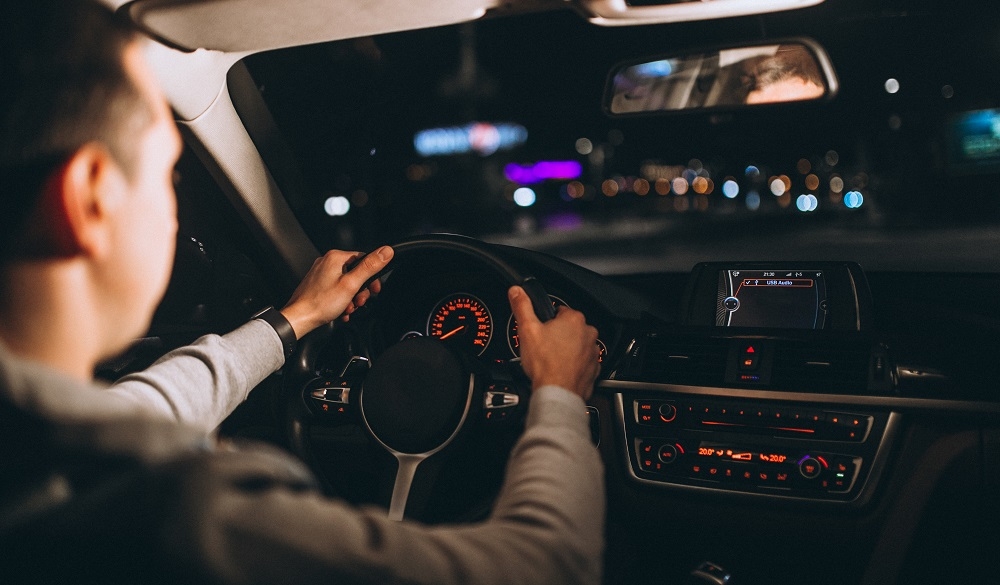 When we are suddenly confronted with bright light, our eyes need a brief moment to adjust. This is a completely natural reflex, but it varies from person to person. Some adapt instantly, while others experience more lasting discomfort.
During this adaptation phase, the road may seem less clear, which is particularly uncomfortable when passing on a narrow or winding road.
Fortunately, a few simple habits can transform the experience: regularly clean the inside and outside of the windshield (the slightest mark amplifies the light), check the condition of your own lights, and look slightly to the right when passing a vehicle to avoid being directly blinded.
Visual comfort while driving and night driving safety are two phrases added in bold for SEO, in accordance with your request.
Towards smarter, more eye-friendly cars
In response to these new driving habits, several countries are rethinking how headlights adjust. Some are already planning to implement widespread automatic systems capable of adjusting the beam height according to the situation.
A simple way to avoid the inconveniences associated with variations in load in the car, but also to harmonize the lighting between different models.
These technologies are gradually becoming more widespread and could become the norm in the coming years, allowing for both more comfortable driving and a more peaceful sharing of the road between all users.