A loaf of bread can become hard and dry surprisingly fast, but that does not necessarily mean it has gone bad. Stale bread is generally safe to eat when it is simply dry or firm and shows no signs of mold. Staling happens because the starches in bread gradually change structure, affecting its texture rather than automatically making it unsafe.
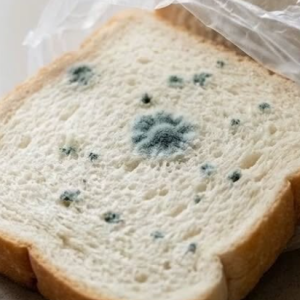
The important distinction is between stale and moldy bread. If you notice fuzzy green, blue, white, or black spots, the entire loaf should be discarded. Because bread is porous, mold can spread beneath the surface even when only a small area is visible. An unusual smell is another good reason to throw it away, and heating or toasting moldy bread does not make it safe.
If your bread is merely stale, you can often make it enjoyable again. For a whole loaf, lightly moisten the crust, wrap it in foil, and warm it in an oven at about 350°F (175°C) for 10–15 minutes. Individual slices can simply be toasted, turning their dry texture into something crisp and flavorful.
Stale bread can also become a useful ingredient instead of ending up in the trash. Cut it into cubes for croutons, grind it into breadcrumbs, or use it for French toast, bread pudding, or panzanella. Sometimes bread that seems past its prime is actually perfect for recipes that benefit from a firmer texture.
To keep bread fresh longer, freezing is usually better than refrigerating it, since refrigeration can speed up staling. Slice the loaf before freezing so you can remove only the amount you need. The next time you find a dry loaf in your kitchen, don’t throw it away immediately—check carefully for mold, and if it is only stale, give it a second life.